


Малоповерхова забудова для єВідновлення з КНУБА на засадах ВІМ для територіальних громад України
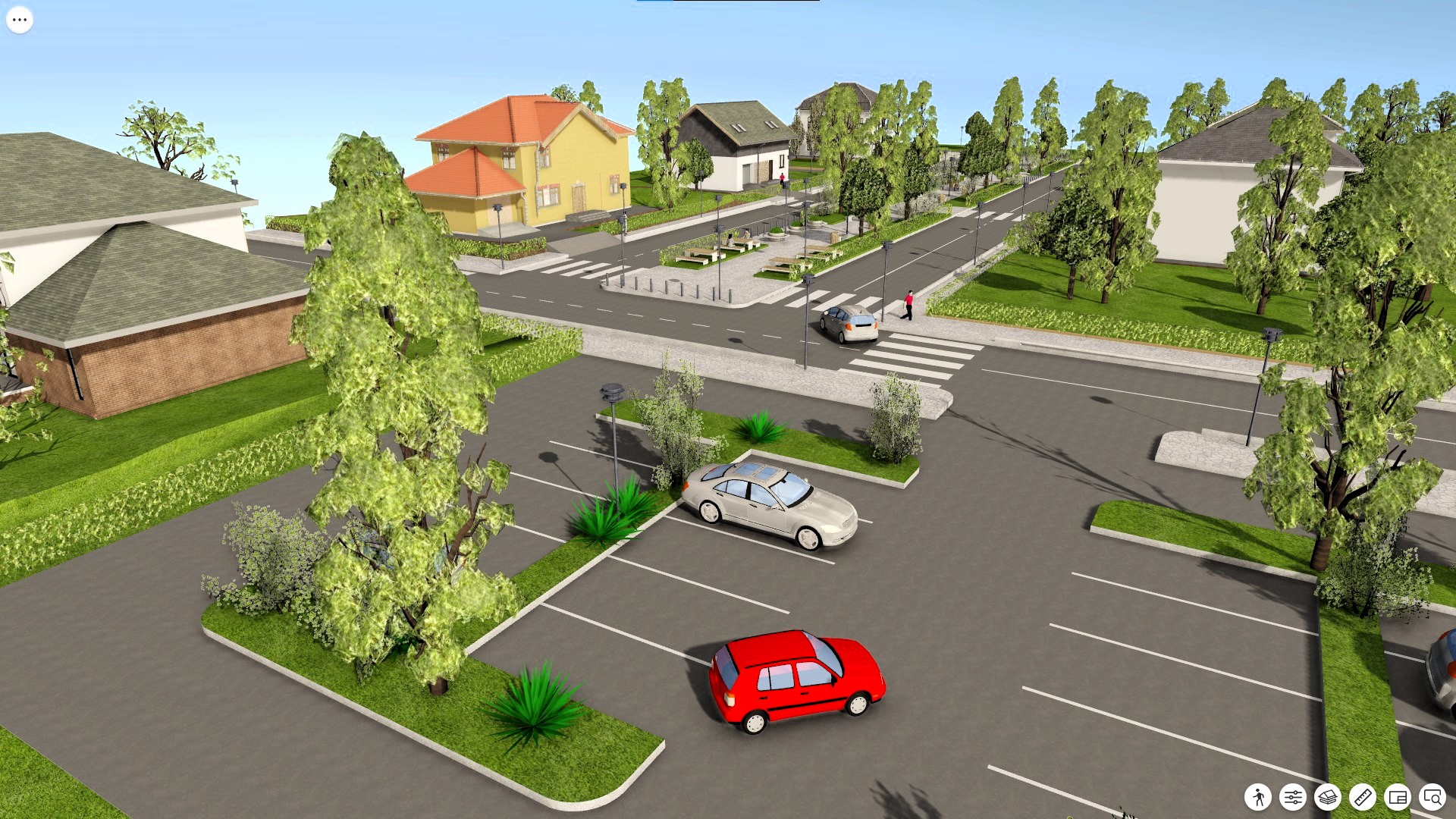
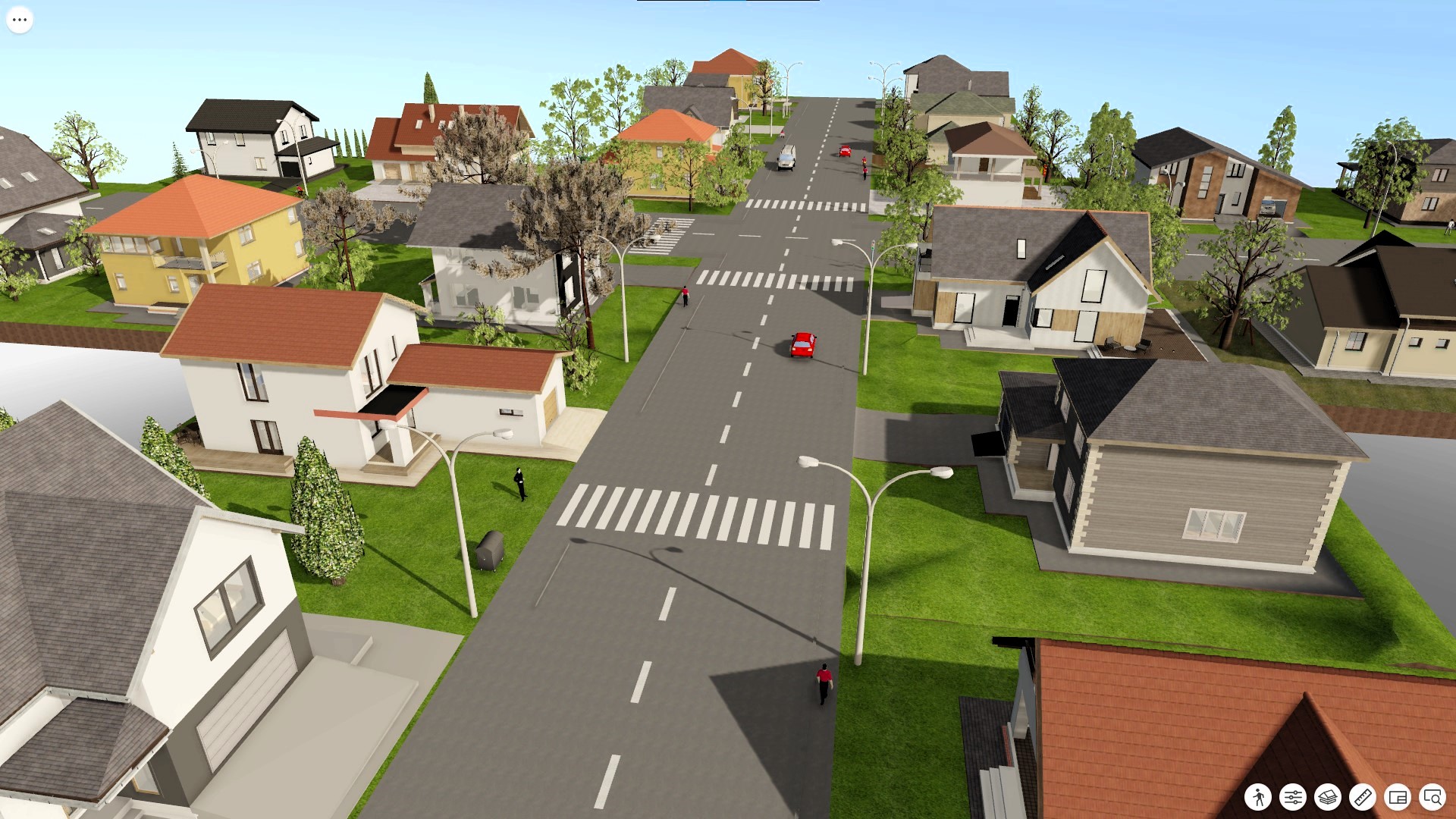
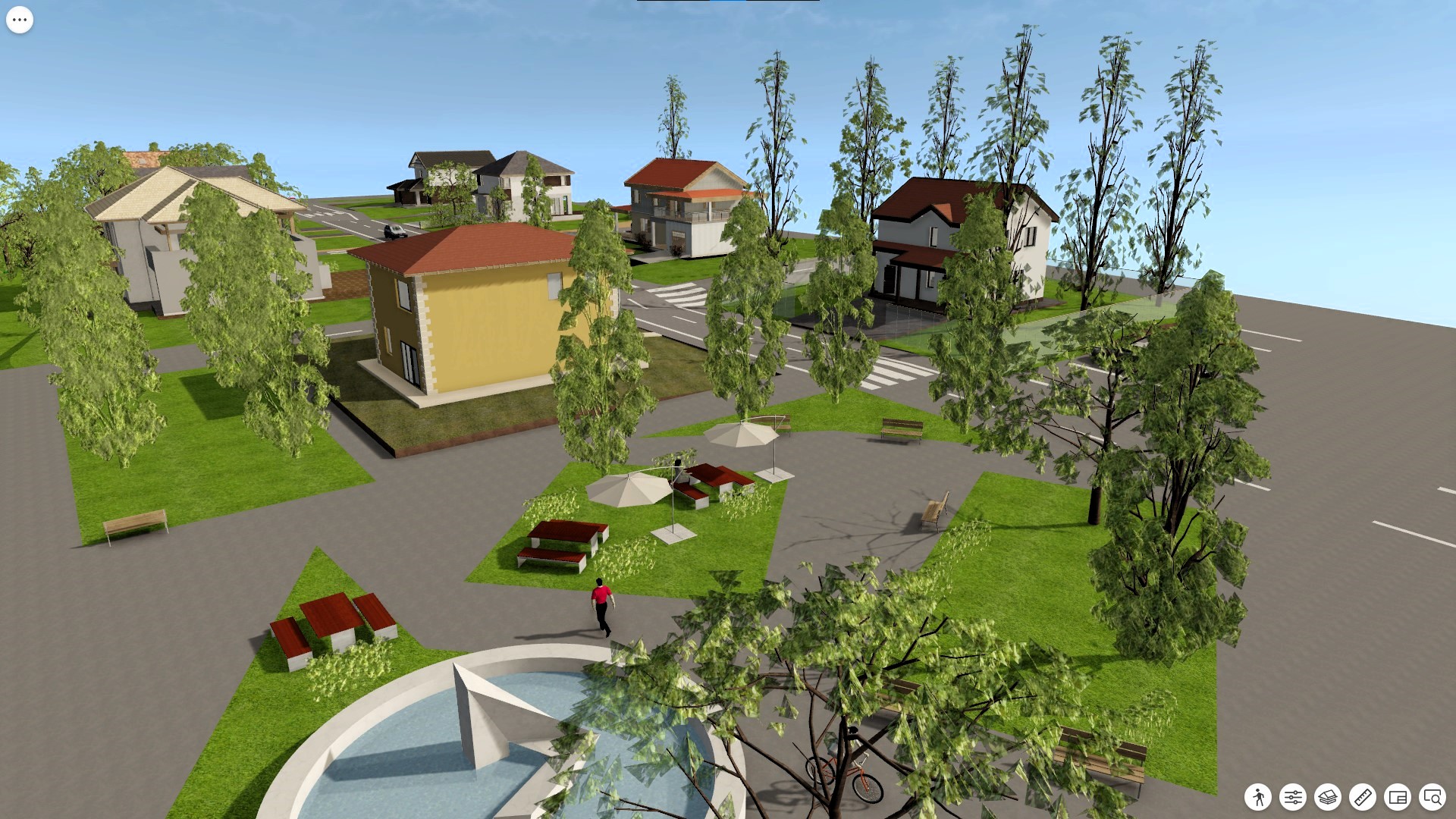
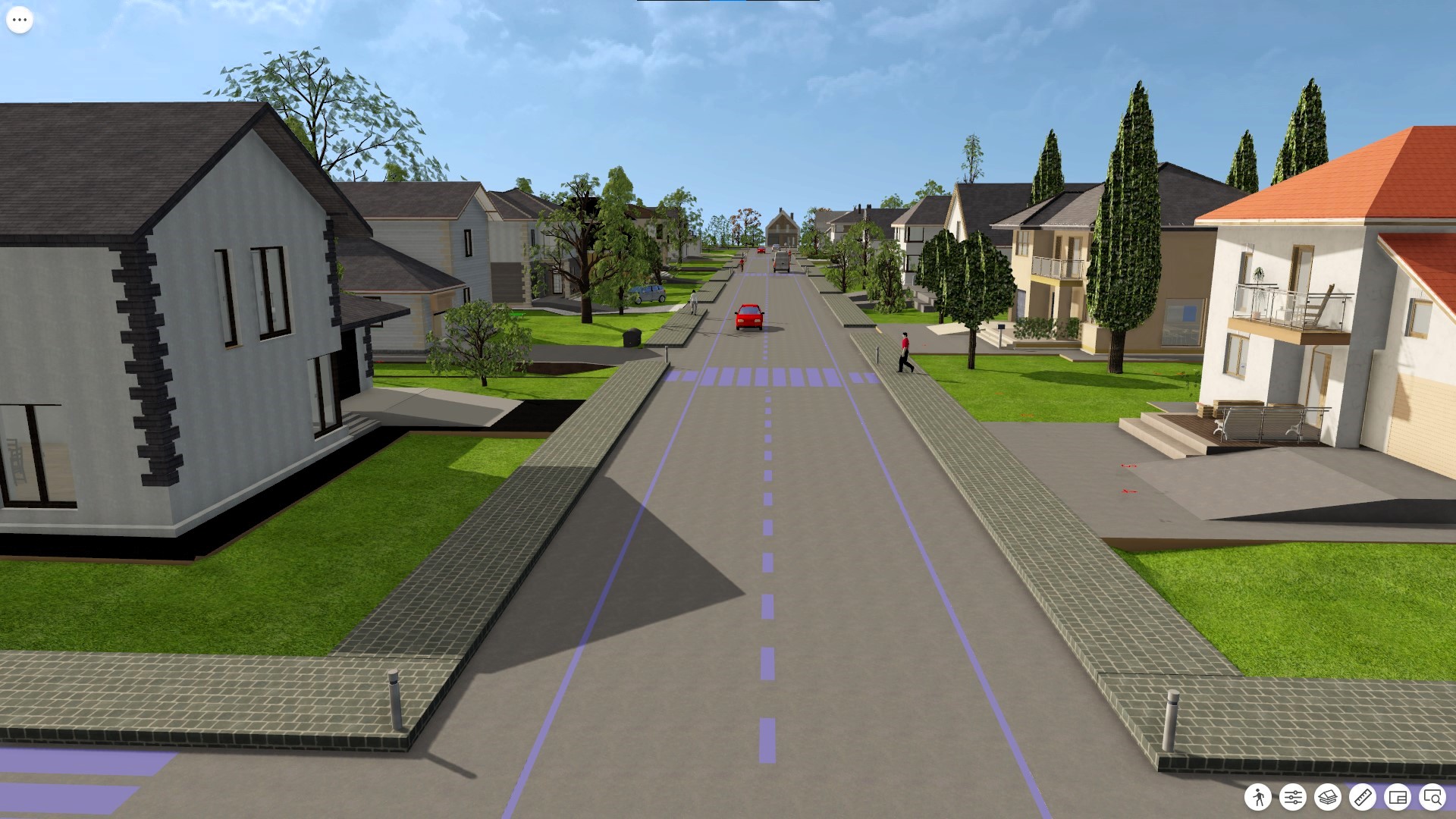
22 грудня 2025 року, відбулася онлайн-презентація КНУБА, Архітектурний факультет, кафедра Інформаційних технологій в архітектурі та кафедра Дизайну взяли участь, в рамках навчального процесу, у варіантному проєктуванні приватної забудови для програми єВідновлення
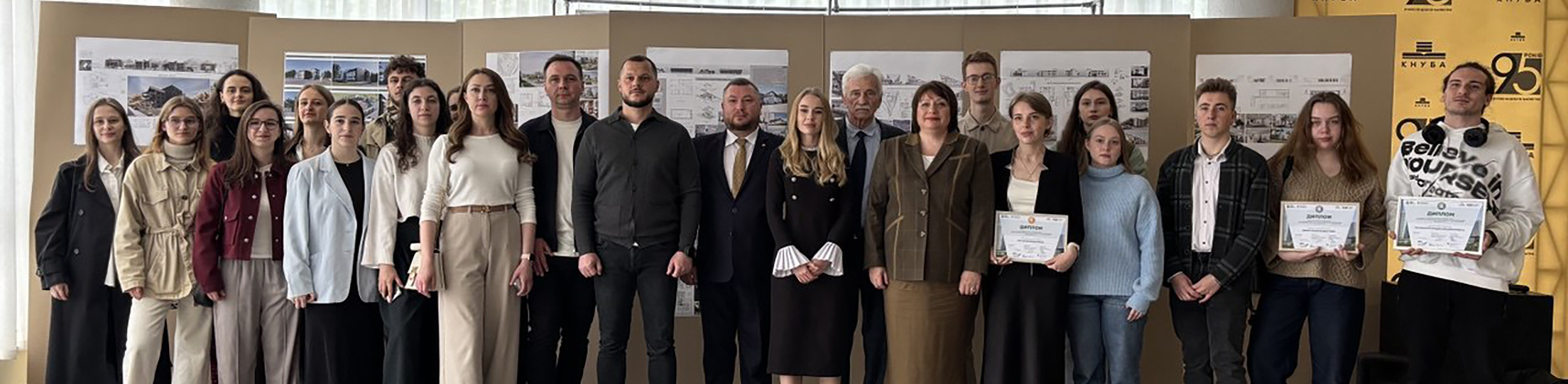
Викладачі та студенти КНУБА стежать за світовими науковими інноваціями та державною стратегією, своїм проєктом підтримують Розпорядження Кабінет Міністрів України від 31 грудня 2024 р. № 1351-р «Про схвалення Стратегії цифрового розвитку інноваційної діяльності України на період до 2030 року та затвердження операційного плану заходів з її реалізації у 2025-2027 роках» онлайн-захист проєктів за темою «Приватна забудова за програмою єВідновлення України». Студенти КНУБА в співпраці з Макарівською та Близнюківською Територіальними Громадами України запропонували проєкти будинків для приватної забудови.
єВідновлення це програма допомоги від держави для власників житла – пошкодженого або зруйнованого через бойові дії, яку реалізує Міністерство розвитку громад, територій та інфраструктури України й Міністерство цифрової трансформації України завдяки проєкту «Підтримка цифрової трансформації».
Організатор: Київський національний університет будівництва і архітектури (КНУБА)
Опис події: Студенти другого курсу спеціальності В2 (022) «Дизайн» представлять свої проєкти приватної забудови, розроблені в рамках програми “єВідновлення України”. Проєкти створені за завданням ВІМ-моделювання та розробки дизайнерських пропозицій для подальшої співпраці з Територіальними Громадами та Громадськими Організаціями України. Курс базується на засадах впровадження ВІМ-технологій (Building Information Modeling) відповідно ДБН А.2.2-3:2014 Склад та зміст проєктної документації на будівництво та прийнятих змін від 01.07.2022р про Інформаційне Моделювання Будівель (БІМ) та Проєкту Закону №6383 від 03.12.2021 про внесення змін до деяких законодавчих актів України щодо запровадження будівельного інформаційного моделювання (ВІМ-технології) на всіх етапах життєвого циклу об’єктів та науково-технічного супроводу об’єктів, удосконалення процедури обстеження об’єктів, прийнятих в експлуатацію в установленому законодавством порядку.
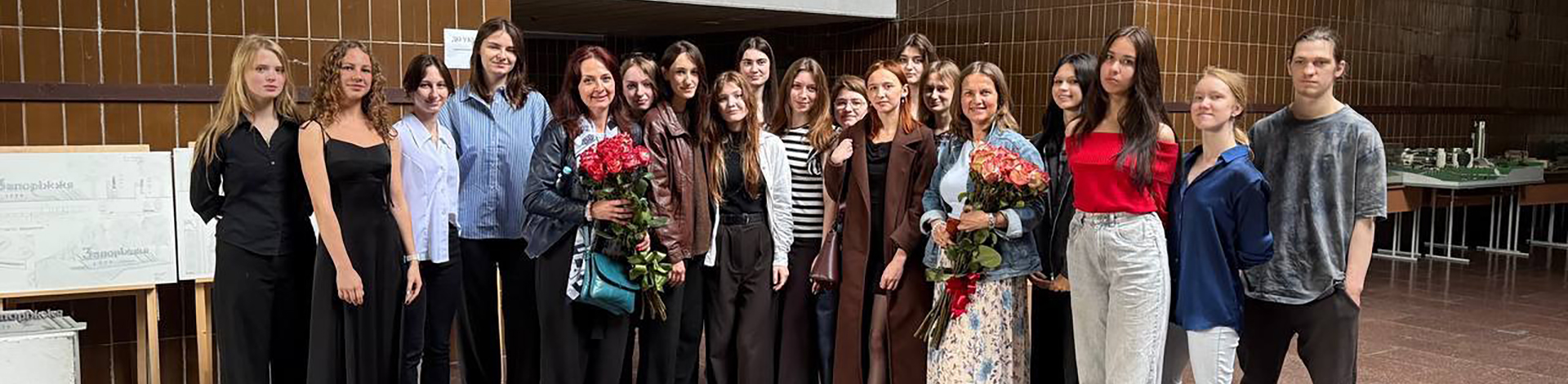
Студенти кафедри Дизайну
Куратор курсу
кандидат архітектури, доцент кафедри Інформаційних технологій в архітектурі – Олексій Левченко,
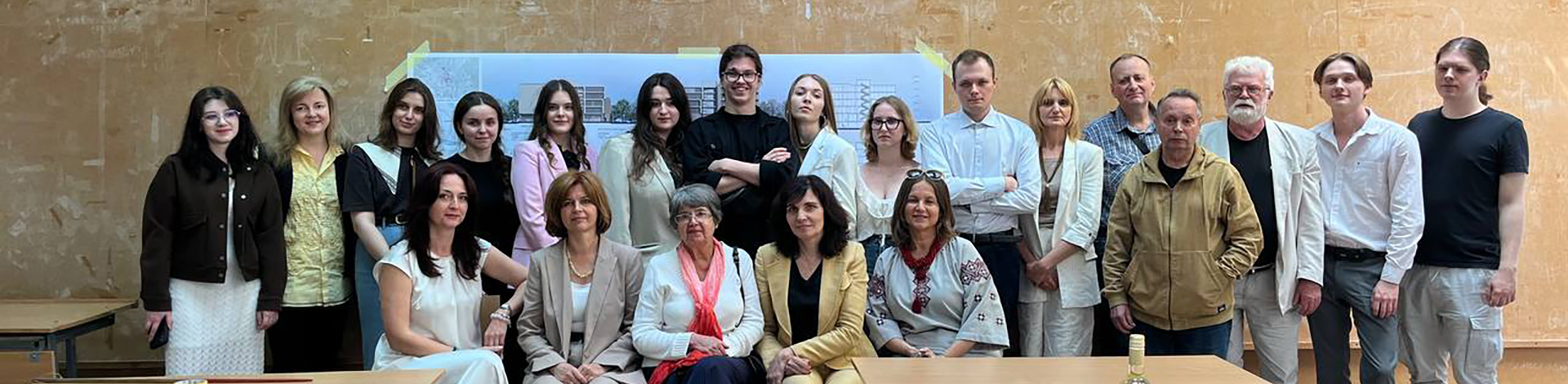
Викладачі
кандидат архітектури, доцент кафедри Інформаційних технологій в архітектурі – Ганна Літошенко,
кандидат архітектури, доцент кафедри Інформаційних технологій в архітектурі – Андрій Михайленко,
кандидат архітектури, старший викладач кафедри Інформаційних технологій в архітектурі – Надія Антоненко
Колеги та стейкхолдери:
Олексій Дніпров – доктор юридичних наук, ректор КНУБА,
Валерій Товбич – доктор архітектури, професор, завідувач кафедри Інформаційних технологій в архітектурі,
Юлія Третяк – доктор архітектури, професор, завідувач кафедри Дизайну,
Олена Шуляк – Народний депутат України, голова комітету Верховної Ради України з питань організації державної влади, місцевого самоврядування, регіонального розвитку та містобудування,
Андре Поддубни – консультант уряду України з впровадження ВІМ, представник України в EUBIM Task Groupe,
Олена Бондар – доктор економічних наук, професор, провідний експерт з ВІМ офісу Агентства відновлення України, офісу CPC (Великобританія), член EU BIM Task Group,
Максим Шкільов – радник віцепрем’єра, міністра цифрової трансформації України,
Tom Austin – засновник та керівник ГО «Освітній Альянс для України» (США),
Nathan Hutson – University of Texas at Austin at the LBJ School of Public Affairs and School of Architecture (США),
Геннадій Король – голова Близнюківської територіальної громади,
Анатолій Карбовський – заступник голови Макакрівської територіальної громади,
Наталія Крук – в.о. начальника відділу містобудування, архітектури та просторового планування Макакрівської територіальної громади,
Усі друзі та зацікавлені сторони 😊


Вам також може сподобатись
КАФЕДРА ДИЗАЙНУ – ВРУЧЕННЯ ДИПЛОМІВ БАКАЛАВРА ДИЗАЙНУ ВИПУСКНИКАМ 2023 РОКУ

КАФЕДРА ІТА ОГОЛОШУЄ РЕЗУЛЬТАТИ КОНКУРСУ ТВОРЧИХ РОБІТ «Інтерактивна альтанка у парку»

коментарів 290
DelbertBok
online mexico pharmacy usa [url=https://mexgetrx.shop/#]mexican pharmacies that ship to the united states[/url] best mexican online pharmacy
WilliamSap
https://mexgetrx.shop/# mexico online farmacia
Haroldsnoks
https://cangetrx.shop/# canadian pharmacies online
Billyzep
canadian mail order pharmacy: CanGetRx – canada online pharmacy
WilliamSap
https://indigetrx.shop/# best indian pharmacy online
RobertRhiny
Здравствуйте!
Грамотный подход к невостребованным медикаментам позволяет не только освободить место, но и получить часть средств обратно. Взаимодействие строится на основе официального договора, что защищает интересы обеих сторон. Обращение в фонд выкупа препаратов занимает всего несколько минут благодаря оценке по фото. Приятным бонусом становится возможность освободить место и получить часть вложенных средств обратно.
Более подробная информация по ссылке – https://продати-лекарстваа.рф
Авегра 400 выкуп препаратов, скупка лекарств Биктарви, скупка лекарств Имбрувика
выкуп препаратов Джакави, [url=https://продати-лекарстваа.рф]продать лекарства в Тюмени[/url], Зикадия продать лекарства
Всего наилучшего и успехов Фонд выкупа препаратов!
Haroldsnoks
https://indigetrx.shop/# e pharmacy india
Billyzep
legit mexican pharmacy: MexGetRx – buying prescription drugs in mexico
WilliamSap
https://mexgetrx.shop/# mexican pharmacy ship to usa
RobertRhiny
Привет всем!
Современный сервис помогает решить вопрос с лишними лекарствами в течение одного дня, что очень удобно для занятых людей. Препараты принимаются в заводской упаковке, при этом важно, чтобы срок годности ещё не истёк. Выкуп лекарств в данном случае проходит официально, с заключением договора и подтверждением оплаты. Команда помогает с оформлением документов и отвечает на все вопросы на каждом этапе взаимодействия.
Более подробная информация по ссылке – https://продати-лекарстваа.рф
скупка лекарств в Туле, скупка лекарств в Смоленске, Ацеллбия 500 выкуп препаратов
фонд выкупа лекарств Калквенс, [url=https://продати-лекарстваа.рф]продать лекарства в Санкт-Петербурге[/url], отзывы выкуп препаратов
Всего наилучшего и успехов Фонд выкупа препаратов!
Haroldsnoks
http://mexgetrx.com/# mexican pharmacy for hair loss pills
Billyzep
the canadian pharmacy: canadian pharmacy meds – legit canadian pharmacy
DelbertBok
canadian pharmacy reviews [url=https://cangetrx.shop/#]Can Get Rx[/url] canadian pharmacy official website
WilliamSap
https://cangetrx.shop/# pharmacies in canada that ship to the us
RobertRhiny
Здравствуйте!
Вопрос, куда деть неиспользованные препараты, становится особенно актуальным после завершения дорогостоящего курса терапии. В работе участвуют только специалисты, поэтому процесс организован корректно и безопасно. Приемлемый выкуп препаратов принимает упаковки с целой упаковкой и неистёкшим сроком годности. Такой подход экономит время и нервы, а также помогает упорядочить домашние запасы медикаментов.
Более подробная информация по ссылке – https://продати-лекарстваа.рф
без обмана продать лекарства, Адцетрис с рук, фонд выкупа лекарств Нинларо
скупка лекарств Сигардис 50, [url=https://продати-лекарстваа.рф]отзывы выкуп препаратов[/url], отзывы скупка лекарств
Всего наилучшего и успехов Фонд выкупа препаратов!
Haroldsnoks
http://cangetrx.com/# canadian pharmacy price checker
Billyzep
best canadian pharmacy: CanGetRx – certified canadian pharmacy
WilliamSap
http://indigetrx.com/# indian pharmacies that ship to us
RobertRhiny
Доброго!
Каждый день всё больше людей задумываются о том, как распорядиться неиспользованными упаковками лекарств, которые остались дома после курса лечения. Все шаги сопровождаются понятными пояснениями, а вопросы решаются на месте. Выкуп препаратов может быть организован полностью дистанционно, с доставкой удобным способом. Простая схема взаимодействия понятна даже тем, кто обращается к такой услуге впервые.
Более подробная информация по ссылке – https://продати-лекарстваа.рф
выкуп препаратов в Омске, фонд выкупа лекарств Полайви, выкуп лекарств после лечения
фонд выкупа лекарств Кадсила 100, [url=https://продати-лекарстваа.рф]выкуп препаратов Иларис[/url], выкуп Энплейт
Всего наилучшего и успехов Фонд выкупа препаратов!
RobertRhiny
Добрый день!
Остатки лекарств после лечения не обязательно хранить годами — их можно передать тем, кто занимается возвратом средств за ненужные медикаменты. В работе участвуют только специалисты, поэтому процесс организован корректно и безопасно. Профессиональный выкуп препаратов предполагает оценку по фотографии и оплату в день обращения. Перед тем как принимать решение, клиент получает полную информацию о порядке и условиях передачи.
Более подробная информация по ссылке – https://продати-лекарстваа.рф
продать Руксолитиниб, по всей России фонд выкупа лекарств, скупка Привиджен 10г
скупка лекарств Мабтера 1400, [url=https://продати-лекарстваа.рф]продать Стиварга[/url], с договором фонд выкупа лекарств
Всего наилучшего и успехов Фонд выкупа препаратов!
RobertRhiny
Добрый день!
Не все знают, что процесс возврата денег за ненужные медикаменты занимает совсем немного времени и не требует сложных действий. Все шаги сопровождаются понятными пояснениями, а вопросы решаются на месте. Выкуп лекарств в данном случае проходит официально, с заключением договора и подтверждением оплаты. Перед тем как принимать решение, клиент получает полную информацию о порядке и условиях передачи.
Более подробная информация по ссылке – https://продати-лекарстваа.рф
скупка Гиотриф, скупка Привиджен 5г, выкуп препаратов в Нижнем Тагиле
выкуп препаратов Абират, [url=https://продати-лекарстваа.рф]продать Пралуэнт[/url], Венклеста венетоклакс с рук
Всего наилучшего и успехов Фонд выкупа препаратов!
Haroldsnoks
http://cangetrx.com/# real canadian pharmacy
Billyzep
online medicine shopping india: Indi Get Rx – online medicine sale
WilliamSap
http://mexgetrx.com/# mexican drug stores
RobertRhiny
Доброго!
Когда курс терапии закончился раньше срока, лишние упаковки начинают занимать место и терять актуальность, поэтому люди ищут грамотное решение. Взаимодействие строится на основе официального договора, что защищает интересы обеих сторон. Организованный выкуп лекарств всегда сопровождается подтверждением на каждом этапе взаимодействия. Все детали процесса уточнит персональный менеджер по телефону или в мессенджере в удобное для вас время.
Более подробная информация по ссылке – https://продати-лекарстваа.рф
скупка Палбоциклиб, продать лекарства в Тольятти, скупка Фазлодекс
скупка лекарств Рисарг, [url=https://продати-лекарстваа.рф]продать Зепатир[/url], Фазлодекс продать лекарства
Всего наилучшего и успехов Фонд выкупа препаратов!
DelbertBok
reputable mexican pharmacy [url=https://mexgetrx.com/#]prescription drugs available in mexico[/url] mexico pharmacy order online free shipping
RobertRhiny
Здравствуйте!
Каждый день всё больше людей задумываются о том, как распорядиться неиспользованными упаковками лекарств, которые остались дома после курса лечения. Все шаги сопровождаются понятными пояснениями, а вопросы решаются на месте. Организованный выкуп лекарств всегда сопровождается подтверждением на каждом этапе взаимодействия. Получить компенсацию можно уже в день передачи упаковок, без долгого ожидания и лишних звонков.
Более подробная информация по ссылке – https://продати-лекарстваа.рф
фонд выкупа лекарств Стелара 45, выкуп препаратов Тизабри, фонд выкупа лекарств Мавирет
продать Траметиниб, [url=https://продати-лекарстваа.рф]фонд выкупа лекарств без рецепта[/url], выкуп препаратов Газива
Всего наилучшего и успехов Фонд выкупа препаратов!
Haroldsnoks
https://cangetrx.shop/# canadian drugstore online
RobertRhiny
Добрый день!
Фармацевтический рынок предлагает удобный способ вернуть часть средств за препараты, которые остались невостребованными после лечения. Срок годности должен оставаться в норме, а упаковка — сохранять целостность и заводской вид. Качественный выкуп препаратов всегда сопровождается честной оценкой и прозрачной оплатой. Приятным бонусом становится возможность освободить место и получить часть вложенных средств обратно.
Более подробная информация по ссылке – https://продати-лекарстваа.рф
скупка лекарств в Казани, компания фонд выкупа лекарств, скупка лекарств Пикрэй 250
скупка лекарств Дарзалекс, [url=https://продати-лекарстваа.рф]нужно продать лекарства[/url], выкуп препаратов Козентикс
Всего наилучшего и успехов Фонд выкупа препаратов!
Billyzep
mexican online pharmacies: MexGet Rx – mexican pharmacy legit
WilliamSap
https://indigetrx.com/# buy medications from india
RobertRhiny
Привет всем!
Каждый день всё больше людей задумываются о том, как распорядиться неиспользованными упаковками лекарств, которые остались дома после курса лечения. Взаимодействие строится на основе официального договора, что защищает интересы обеих сторон. Профессиональный выкуп препаратов предполагает оценку по фотографии и оплату в день обращения. Удобный формат работы позволяет решить вопрос дистанционно, не тратя время на поездки и очереди.
Более подробная информация по ссылке – https://продати-лекарстваа.рф
как выгодно скупка лекарств, скупка Осимертиниб, Дарзалекс скупка лекарств
скупка лекарств в Иркутске, [url=https://продати-лекарстваа.рф]отзывы фонд выкупа лекарств[/url], скупка лекарств Абраксан
Всего наилучшего и успехов Фонд выкупа препаратов!
phpslotviplogin
The VIP treatment here is legit. I feel like my loyalty is actually rewarded and the exclusive perks are awesome. Highly suggest phpslotviplogin for serious players.
Haroldsnoks
http://cangetrx.com/# canadian mail order pharmacy
WilliamSap
http://indigetrx.com/# buy generic medicines online india
Billyzep
online medical store: Indi Get Rx – indian medicine online
RobertRhiny
Здравствуйте!
Дорогие препараты, приобретённые впрок, часто так и остаются лежать в аптечке, хотя могли бы вернуть часть потраченных средств. Предварительную информацию можно получить без визита в офис, просто отправив фотографию. Организованный выкуп лекарств всегда сопровождается подтверждением на каждом этапе взаимодействия. Достаточно отправить фотографию упаковки, чтобы получить предварительную оценку и спланировать дальнейшие шаги.
Более подробная информация по ссылке – https://продати-лекарстваа.рф
скупка лекарств в Самаре, Револейд выкуп препаратов, скупка лекарств целые упаковки
Абраксан с рук, [url=https://продати-лекарстваа.рф]выкуп препаратов в Брянске[/url], фонд выкупа лекарств в Белгороде
Всего наилучшего и успехов Фонд выкупа препаратов!
RobertRhiny
Привет всем!
Многие оценивают удобство полностью дистанционного взаимодействия, когда не нужно никуда ехать лично. Предварительную информацию можно получить без визита в офис, просто отправив фотографию. Организованный выкуп лекарств всегда сопровождается подтверждением на каждом этапе взаимодействия. Достаточно отправить фотографию упаковки, чтобы получить предварительную оценку и спланировать дальнейшие шаги.
Более подробная информация по ссылке – https://продати-лекарстваа.рф
выкуп препаратов в Калининграде, продать Бовенсио, продать Пикрэй 250
скупка Мабтера 1400, [url=https://продати-лекарстваа.рф]официально продать лекарства[/url], выкуп Леналидомид 10
Всего наилучшего и успехов Фонд выкупа препаратов!
WilliamSap
https://cangetrx.com/# vipps approved canadian online pharmacy
Ronaldsnack
Generic Cialis without a doctor prescription [url=https://weekendtabrx.shop/#]Weekend Tab Rx[/url] Cialis 20mg price
DonaldExhib
Sildenafil Citrate Tablets 100mg [url=https://sildenrxexpress.shop/#]SildenRxExpress[/url] Order Viagra 50 mg online
KevinJek
best ed medication online: VigorShield Rx – cheapest ed medication
RobertRhiny
Привет всем!
Когда курс терапии закончился раньше срока, лишние упаковки начинают занимать место и терять актуальность, поэтому люди ищут грамотное решение. Срок годности должен оставаться в норме, а упаковка — сохранять целостность и заводской вид. Фонд выкупа препаратов принимает дорогие и онкологические медикаменты на максимально выгодных условиях. Достаточно отправить фотографию упаковки, чтобы получить предварительную оценку и спланировать дальнейшие шаги.
Более подробная информация по ссылке – https://продати-лекарстваа.рф
скупка лекарств с рук, Калквенс выкуп препаратов, Гиотриф с рук
продать Абраксан, [url=https://продати-лекарстваа.рф]скупка лекарств Венклеста[/url], продать Палбоциклиб
Всего наилучшего и успехов Фонд выкупа препаратов!
Rubengen
http://sildenrxexpress.com/# Sildenafil Citrate Tablets 100mg
Ronaldsnack
Tadalafil Tablet [url=http://weekendtabrx.com/#]WeekendTabRx[/url] cheapest cialis
KevinJek
low cost ed meds online: vigorshieldrx – low cost ed meds online
RobertRhiny
Привет всем!
Остатки лекарств после лечения не обязательно хранить годами — их можно передать тем, кто занимается возвратом средств за ненужные медикаменты. Срок годности должен оставаться в норме, а упаковка — сохранять целостность и заводской вид. Фонд выкупа препаратов принимает дорогие и онкологические медикаменты на максимально выгодных условиях. Достаточно отправить фотографию упаковки, чтобы получить предварительную оценку и спланировать дальнейшие шаги.
Более подробная информация по ссылке – https://продати-лекарстваа.рф
Стиварга скупка лекарств, скупка лекарств Имфинзи, продать лекарства в Санкт-Петербурге
скупка Пикрэй 300, [url=https://продати-лекарстваа.рф]Биктарви выкуп препаратов[/url], продать Ларатиниб
Всего наилучшего и успехов Фонд выкупа препаратов!
Rubengen
https://sildenrxexpress.shop/# Viagra online price
RobertRhiny
Привет всем!
Многие пациенты не знают, что неиспользованные дорогостоящие медикаменты можно выгодно передать специализированной организации. Предварительную информацию можно получить без визита в офис, просто отправив фотографию. Выкуп лекарств в данном случае проходит официально, с заключением договора и подтверждением оплаты. Проверка занимает немного времени, а результат радует прозрачностью условий и оперативностью.
Более подробная информация по ссылке – https://продати-лекарстваа.рф
Ленватиниб продать лекарства, расценки фонд выкупа лекарств, Газива выкуп препаратов
выкуп Имфинзи, [url=https://продати-лекарстваа.рф]Зикадия скупка лекарств[/url], продать лекарства в Ульяновске
Всего наилучшего и успехов Фонд выкупа препаратов!
RobertRhiny
Доброго!
Фармацевтический рынок предлагает удобный способ вернуть часть средств за препараты, которые остались невостребованными после лечения. Срок годности должен оставаться в норме, а упаковка — сохранять целостность и заводской вид. Качественный выкуп препаратов всегда сопровождается честной оценкой и прозрачной оплатой. Деньги переводятся на карту либо выдаются наличными в день обращения, что удобно для каждого клиента.
Более подробная информация по ссылке – https://продати-лекарстваа.рф
за наличные скупка лекарств, фонд выкупа лекарств по фото, в рассрочку продать лекарства
скупка Тизабри, [url=https://продати-лекарстваа.рф]скупка Венклекста[/url], официально выкуп препаратов
Всего наилучшего и успехов Фонд выкупа препаратов!
Maan Win
creative work produced by students of the Department of Design offers a truly inspiring glimpse into the future of visual communication, industrial architecture, and user-centered innovation. Studio culture demands intense dedication, requiring young creators to spend countless late nights sketching initial concepts, testing physical prototypes, and refining digital mockups under demanding academic timelines. Taking a quiet, relaxing breather on Maan Win after an afternoon spent reading through university design exhibition portfolios, student thesis retrospectives, and creative arts faculty journals today, it feels wonderful seeing that rigorous discipline recognized. Beyond artistic flair, modern design students master empathetic research, material sustainability, and digital interaction systems to solve complex everyday problems. That blend of practical problem-solving and boundless imagination proves that nurturing talented designers within supportive university studios equips future leaders with the creative confidence needed to shape our built world for the better.
DmFirst
latest exhibitions organized by students of the Department of Design illustrates how successfully contemporary design education bridges artistic expression with commercial viability. Today’s design curriculum challenges students to step beyond decorative aesthetics and tackle tangible consumer problems through human-centered research, user journey mapping, and functional prototyping. Browsing around on DmFirst during an evening break after reading through academic design retrospectives made me appreciate how much multidisciplinary skill modern design students possess. They seamlessly blend digital coding, physical model-making, and psychological research into coherent, elegant product experiences. It proves that academic design programs cultivate versatile problem solvers who understand how to harmonize form, function, and brand identity, providing industry partners with visionary young thinkers ready to drive competitive innovation across rapidly evolving global creative markets.
9k Club
creative projects put together by students of the Department of Design is always an absolute blast because you get to see crazy, innovative ideas before they hit the real world. Walking into a design school exhibition hall feels like stepping ten years into the future, with eye-popping poster prints, sleek 3D-printed gadgets, and clever app concepts everywhere you look. Taking a quiet, relaxing breather on 9k Club after an afternoon spent reading through student design blogs, creative portfolio boards, and campus art threads today, it feels awesome seeing all that hard work get celebrated. These students pour their hearts into their final showcases, pulling late-night shifts with glue guns, laser cutters, and tablet styluses to make their dreams tangible. That kind of passion and creative hustle is so infectious, proving that young designers are ready to blow everyone away with their vision.
Ronaldsnack
Viagra generic over the counter [url=http://sildenrxexpress.com/#]SildenRxExpress[/url] Viagra without a doctor prescription Canada
DonaldExhib
cheap erection pills [url=https://vigorshieldrx.shop/#]Vigor Shield Rx[/url] cheapest ed meds
KevinJek
Viagra Tablet price: SildenRxExpress – buy viagra here
None
Дуже цікавий проєкт, і особливо тішить, що студенти працюють з реальними громадами, а не в вакуумі. Мене завжди цікавило, наскільки ВІМ-моделі малоповерхової забудови потім витримують зустріч з реальним підрядником на місці — бо часто гарна цифрова модель розбивається об відсутність матеріалів чи кваліфікованих кадрів у селі. Було б корисно почути продовження: чи є плани супроводжувати ці проєкти аж до реалізації, а не лише до захисту. До речі, поки читав про цифрові інструменти для відновлення, згадав, що колись збирав різні ресурси для розваги в перервах між роботою — ось тут curve-rush-2.com, якщо комусь теж треба перемкнутися. А загалом так тримати, КНУБА!
vn78winc3
Really impressed with the game variety here. I had a great run last weekend and the customer support was super helpful. Check out vn78winc3 if you want a reliable spot.
Rubengen
http://weekendtabrx.com/# Buy Tadalafil 5mg
Ronaldsnack
buy cialis pill [url=http://weekendtabrx.com/#]Weekend Tab Rx[/url] п»їcialis generic
LensUp Scanner
Читав про проєкт КНУБА для Макарівської та Близнюківської громад — цікаво, що студенти одразу працюють у ВІМ, а не малюють гарні картинки. Для громади це практично: коли є модель, легше рахувати матеріали й етапи. Мені в таких історіях завжди впадає в око паперова частина навколо.
У мене на цьому тижні була якраз дрібна бюрократія — збирав документи, треба було відсканувати паспорт і довідку. Знімав на телефон, а потім у LensUp зшив обидві сторони на один аркуш і зробив PDF: файли нікуди не завантажувались, усе оброблялось у вкладці браузера. Стиснення, щоправда, орієнтується на обраний розмір, інколи виходить трохи більше, ніж просив.
KevinJek
Cheap generic Viagra: SildenRxExpress – buy Viagra over the counter
Rubengen
http://sildenrxexpress.com/# best price for viagra 100mg
RobertRhiny
Доброго!
Собранные после лечения упаковки не стоит выбрасывать — профессиональная команда поможет найти им правильное применение. Препараты принимаются в заводской упаковке, при этом важно, чтобы срок годности ещё не истёк. Специализированный выкуп лекарств принимает как распространённые, так и редкие дорогостоящие позиции. Удобный формат работы позволяет решить вопрос дистанционно, не тратя время на поездки и очереди.
Более подробная информация по ссылке – https://продати-лекарстваа.рф
выкуп Руксолитиниб, Пикрэй 250 с рук, Биктарви скупка лекарств
продать лекарства быстро, [url=https://продати-лекарстваа.рф]Фазлодекс продать лекарства[/url], продать Ацеллбия 100
Всего наилучшего и успехов Фонд выкупа препаратов!
Ronaldsnack
Generic Cialis without a doctor prescription [url=https://weekendtabrx.com/#]WeekendTabRx[/url] buy cialis pill
DonaldExhib
Buy Tadalafil 10mg [url=http://weekendtabrx.com/#]Weekend Tab Rx[/url] Generic Cialis price
KevinJek
best online ed pills: how to get ed pills – discount ed meds
Rubengen
http://sildenrxexpress.com/# Cheapest Sildenafil online
Ronaldsnack
Cheap generic Viagra online [url=https://sildenrxexpress.shop/#]SildenRxExpress[/url] over the counter sildenafil
KevinJek
buy ed pills: cheap ed meds – where can i buy ed pills
Rubengen
http://sildenrxexpress.com/# Viagra online price
12AxesTest Team
Було б корисно додати до матеріалу коротке порівняння студентських варіантів: для якої кількості мешканців розрахований кожен будинок, які потреби доступності враховано та які зміни запропонували громади після презентації. Так читачам буде легше зрозуміти, як зворотний зв’язок від майбутніх користувачів впливає на проєктні рішення. Також варто чітко позначити, які матеріали є навчальними концепціями, а які вже підготовлено для наступного етапу роботи.
Ronaldsnack
viagra canada [url=http://sildenrxexpress.com/#]Viagra generic over the counter[/url] sildenafil over the counter
Rubengen
http://vigorshieldrx.com/# erectile dysfunction pills for sale
KevinJek
cheapest viagra: SildenRxExpress – Sildenafil 100mg price
DonaldExhib
order viagra [url=https://sildenrxexpress.shop/#]SildenRx Express[/url] Generic Viagra for sale
RalphThers
Ищете авто мечты? avtogarant.by организует пригон машин из Кореи, Европы, Китая и США в Беларусь «под ключ»: подбор, логистика, растаможка, документы. Прозрачная стоимость, контроль на каждом этапе, гарантия юридической чистоты.
Jerryphync
Хотите красивую и здоровую улыбку? https://albakaluga.ru Стоматологический центр «Альбадент» в Калуге предлагает полный спектр услуг: лечение, имплантация, протезирование, виниры, профессиональная гигиена и отбеливание. Опытные врачи, современное оборудование, индивидуальный план лечения и комфортная атмосфера.
Timothyneurn
Выбирайте долговечные https://allgranit.ru гранитные памятники от производителя для достойного оформления места захоронения. Рассмотрите варианты памятников из натурального гранита, доступные формы, оттенки камня и способы художественного оформления. Уточните стоимость изготовления, сроки производства, варианты гравировки и условия установки.
PatrickInoxy
Откройте интересные https://потомучка.рф с красочной графикой, интерактивными заданиями и возможностью исследовать виртуальные миры. Подбирайте игровые проекты, которые развивают пространственное мышление, логику, внимание и творческие способности.
Williamnough
Вот о вскрытии: https://key-piter.ru/vskrytie-cilindricheskih-zamkov/. Опишите, ключ застрял или свободно проворачивается.
Rubengen
https://weekendtabrx.shop/# Tadalafil price
Ronaldsnack
Cialis over the counter [url=https://weekendtabrx.shop/#]cialis for sale[/url] Cialis over the counter
KevinJek
best ed meds online: Vigor Shield Rx – ed medicine online
RobertRhiny
Здравствуйте!
Дорогие препараты, приобретённые впрок, часто так и остаются лежать в аптечке, хотя могли бы вернуть часть потраченных средств. Все шаги сопровождаются понятными пояснениями, а вопросы решаются на месте. Выкуп препаратов позволяет вернуть до девяноста процентов стоимости неиспользованных упаковок. Все детали процесса уточнит персональный менеджер по телефону или в мессенджере в удобное для вас время.
Более подробная информация по ссылке – https://продати-лекарстваа.рф
скупка лекарств в Тольятти, Калквенс выкуп препаратов, условия продать лекарства
Джакави выкуп препаратов, [url=https://продати-лекарстваа.рф]фонд выкупа лекарств в Смоленске[/url], Эпклюза продать лекарства
Всего наилучшего и успехов Фонд выкупа препаратов!
burungbet
Casino Video Games On-line: Slots, Roulette & Blackjack – Fanatics Casino Browse via hundreds of obtainable games and choose one which interests you. Our cell utility is supported by both iOS and Android. Free slot video games are online variations of conventional slot machines that let you play without requiring you to spend real cash. So why do players continue to select Caesars Slots as their recreation of choice? Welcome to the land where gold pays more! Privateness practices might differ, for example, based on the options you employ or your age. From hilarious animated comedies like Rick & Morty to tense dramas like The Walking Useless and Breaking Unhealthy, whatever you’re into, you’ll find the slot equivalent in our on-line on line casino. And past that big range of slot video games, if it’s hit TV reveals and flicks you need to play in slot kind, we’re not brief on top notch, world-class tie-ins. Right Here, a 32Red you will find plenty of British folclore inspired slot machines, with the ever-present commonplace symbol rainbows and pots of gold simply waiting to be tracked down! This trustworthy take on the hilarious actuality TV present delivers oodles of leisure worth, with Bushtucker Trials bonuses to be found – together with incredible prize potential to play for. A payline is the trail throughout the reels where a profitable combination of symbols should land so that you simply can obtain a payout. A typical slot consists of spinning columns, known as reels, and horizontal traces, known as rows. Slotomania is super-quick and handy to access and play, wherever, anytime. You can play free slots from your desktop at residence or your cell devices (smartphones and tablets) whereas you’re on the go! I watched this sport go from 6 simple slots with just spinning & even then it’s graphics and every little thing had been way better than the competitors burungbet Love spinning slots, competing in challenges, and incomes daily rewards? Whether Or Not you’re on the lookout for traditional slots or video slots, they’re all free to play. Slotomania has an enormous number of free slot video games so that you just can spin and enjoy! Add up your Sticky Wild Free Spins by triggering wins with as many Golden Scatters as you possibly can throughout gameplay. If you’re eager on the Slotomania crowd favorite recreation Arctic Tiger, you’ll love this cute sequel! This is my favourite recreation, a lot fun, at all times including new & thrilling things. Join 100M+ gamers worldwide and see why we’re one of many world’s leading free-to-play social casinos, with no download required! Do you love chasing big wins in challenges? Are free spins your favorite sort of bonus? Is there any sport more synonymous with on-line casinos than roulette? Slots are recognized for their randomness and since successful is left almost completely as a lot as probability, there is little to no technique in playing to win. By doing so, you may be taken on to the touchdown web page for creating an account with the present welcome provide. Moreover, these on-line casinos are lined by shopper safety laws. Most of those sites have their game part divided into varied categories corresponding to slot machines, traditional slots, desk games, reside dealer video games, on-line scratch playing cards and some other classes. The landing web page will recap the on line casino bonuses for which you have qualified.
Georgealuts
Discover local weed shop in prague map options and learn about store locations, opening hours, and available product categories. Compare local listings, check current Czech regulations, and learn about CBD products and hemp-derived goods. Prepare your visit by checking reliable information, age restrictions, and applicable rules.
Rubengen
https://sildenrxexpress.com/# Cheap generic Viagra online
Charleswotly
Discover local reliable cannabis shop in prague listings to learn about store locations, opening hours, and product categories. Compare available information about CBD products, hemp goods, and local regulations. Plan your visit by checking current opening times, age restrictions, and Czech laws.
Johnsonnug
Discover current buy cannabis prague for tourists information to understand Czech laws and available cannabis-related products. Explore store details, CBD and hemp product categories, age restrictions, and local regulations before planning a visit. Understand which products are permitted, what rules apply to possession and public use, and how requirements may differ by product type. Reliable information helps visitors make informed decisions, avoid misunderstandings, and stay aware of the legal requirements while visiting Prague.
RogerCrype
Discover current cbd weed in prague information to understand Czech cannabis laws and the products legally available to adults. Check local regulations, age restrictions, and reliable information about licensed retail options and CBD products. Stay informed about legal limits, permitted uses, and rules for public spaces.
Ronaldsnack
cheapest cialis [url=https://weekendtabrx.shop/#]WeekendTabRx[/url] Buy Cialis online
AaronVug
Searching for reliable weed prague telegram shop information can help visitors understand online discussions about cannabis culture in the Czech capital. Browse public communities covering local regulations, CBD products, travel tips, and cannabis-related news. Verify published information carefully, watch for misleading claims, and avoid suspicious accounts requesting advance payments.
KevinJek
Viagra online price: SildenRxExpress – sildenafil online
lucas
Поєднання студентського BIM-проєктування із завданнями територіальних громад робить навчальну роботу предметною. Було б цікаво побачити, як у різних варіантах будинків враховано можливість подальшої адаптації під потреби мешканців.
RobertRhiny
Добрый день!
После длительной терапии в шкафу нередко скапливаются упаковки, которые уже не понадобятся, и возникает вопрос, куда их деть с пользой. Препараты принимаются в заводской упаковке, при этом важно, чтобы срок годности ещё не истёк. Качественный выкуп препаратов всегда сопровождается честной оценкой и прозрачной оплатой. Такой подход экономит время и нервы, а также помогает упорядочить домашние запасы медикаментов.
Более подробная информация по ссылке – https://продати-лекарстваа.рф
выкуп Козентикс, Стимплейт выкуп препаратов, выкуп препаратов в Красноярске
продать лекарства в Нижнем Тагиле, [url=https://продати-лекарстваа.рф]скупка Опсамит[/url], скупка лекарств в Москве
Всего наилучшего и успехов Фонд выкупа препаратов!
Rubengen
https://sildenrxexpress.com/# Generic Viagra online
Ronaldsnack
cheap viagra [url=https://sildenrxexpress.shop/#]SildenRxExpress[/url] Viagra Tablet price
KevinJek
Generic Cialis without a doctor prescription: WeekendTabRx – Tadalafil Tablet
RobertRhiny
Привет всем!
Не все знают, что процесс возврата денег за ненужные медикаменты занимает совсем немного времени и не требует сложных действий. Оценка формирования цены происходит индивидуально и зависит от характеристик конкретной позиции. Приемлемый выкуп препаратов принимает упаковки с целой упаковкой и неистёкшим сроком годности. Все детали процесса уточнит персональный менеджер по телефону или в мессенджере в удобное для вас время.
Более подробная информация по ссылке – https://продати-лекарстваа.рф
фонд выкупа лекарств Пемброриа, выкуп препаратов в Белгороде, выкуп препаратов во Владимире
скупка лекарств Окревус, [url=https://продати-лекарстваа.рф]Козентикс скупка лекарств[/url], Ервой выкуп препаратов
Всего наилучшего и успехов Фонд выкупа препаратов!
Rubengen
https://weekendtabrx.com/# Buy Tadalafil 10mg
Ronaldsnack
Tadalafil price [url=https://weekendtabrx.com/#]Buy Tadalafil 5mg[/url] Tadalafil Tablet
KevinJek
sildenafil 50 mg price: SildenRxExpress – Viagra tablet online
DonaldExhib
п»їed pills online [url=https://vigorshieldrx.com/#]vigorshieldrx[/url] online ed meds
Johnsonnug
Check local https://buy-cannabis-prague.shop information to understand Czech laws and available cannabis-related products. Explore store details, CBD and hemp product categories, age restrictions, and local regulations before planning a visit. Check which products are permitted, what rules apply to possession and public use, and how requirements may differ by product type. Reliable information helps visitors make informed decisions, avoid misunderstandings, and stay aware of the legal requirements while visiting Prague.
James
Thanks for the useful breakdown. It was straightforward and easy to read. https://checkersonline247.com
AaronVug
Exploring reliable cannabis shop prague telegram group information can help visitors understand online discussions about cannabis culture in the Czech capital. Browse public communities covering local regulations, CBD products, travel tips, and cannabis-related news. Check published information carefully, watch for misleading claims, and avoid suspicious accounts requesting advance payments.
Rubengen
https://sildenrxexpress.com/# Cheapest Sildenafil online
RobertRhiny
Добрый день!
После длительной терапии в шкафу нередко скапливаются упаковки, которые уже не понадобятся, и возникает вопрос, куда их деть с пользой. Предварительную информацию можно получить без визита в офис, просто отправив фотографию. Выкуп препаратов может быть организован полностью дистанционно, с доставкой удобным способом. Удобный формат работы позволяет решить вопрос дистанционно, не тратя время на поездки и очереди.
Более подробная информация по ссылке – https://продати-лекарстваа.рф
Эрбитукс скупка лекарств, скупка лекарств Бовенсио, Мабтера 500 выкуп препаратов
скупка Арфлейда, [url=https://продати-лекарстваа.рф]фонд выкупа лекарств Абират[/url], выкуп препаратов в Петрозаводске
Всего наилучшего и успехов Фонд выкупа препаратов!
RobertRhiny
Добрый день!
Каждый день всё больше людей задумываются о том, как распорядиться неиспользованными упаковками лекарств, которые остались дома после курса лечения. Предварительную информацию можно получить без визита в офис, просто отправив фотографию. Приемлемый выкуп препаратов принимает упаковки с целой упаковкой и неистёкшим сроком годности. Отправьте фото или напишите менеджеру, чтобы узнать подробности и получить предварительный расчёт.
Более подробная информация по ссылке – https://продати-лекарстваа.рф
скупка лекарств Энбрел 25, в день обращения продать лекарства, Тафинлар скупка лекарств
скупка лекарств с договором, [url=https://продати-лекарстваа.рф]фонд выкупа лекарств онлайн[/url], выкуп Джакави
Всего наилучшего и успехов Фонд выкупа препаратов!
RobertRhiny
Доброго!
Остатки лекарств после лечения не обязательно хранить годами — их можно передать тем, кто занимается возвратом средств за ненужные медикаменты. Предварительную информацию можно получить без визита в офис, просто отправив фотографию. Фонд выкупа препаратов предлагает понятные условия и оперативное перечисление средств. Получить компенсацию можно уже в день передачи упаковок, без долгого ожидания и лишних звонков.
Более подробная информация по ссылке – https://продати-лекарстваа.рф
скупка оригинальных препаратов, выкуп Биктарви, выкуп препаратов целые упаковки
Мавирет выкуп препаратов, [url=https://продати-лекарстваа.рф]Зенлистик продать лекарства[/url], выкуп лекарств с доставкой
Всего наилучшего и успехов Фонд выкупа препаратов!
Ronaldsnack
ed online treatment [url=http://vigorshieldrx.com/#]Vigor Shield Rx[/url] where to get ed pills
KevinJek
cialis for sale: WeekendTabRx – Buy Cialis online
Rubengen
https://vigorshieldrx.com/# online erectile dysfunction prescription
AI video
It is encouraging to see students applying BIM technologies to address such critical infrastructure needs for territorial communities. Efficient digital planning tools are essential for modernizing residential development.
Burning Bridges Dance Generator
Great initiative by KNUBA students applying BIM-based design to Ukraine’s “Yevdovlennya” recovery program — truly bridging academia, digital innovation, and community rebuilding. For those exploring how AI can accelerate architectural visualization or public engagement in reconstruction efforts, check out Burning Bridges AI: a tool that transforms a single photo into a dynamic 20-second vertical dance video — perfect for sharing recovery stories on TikTok, Reels, and Shorts.
Try it here
RobertRhiny
Доброго!
Не все знают, что процесс возврата денег за ненужные медикаменты занимает совсем немного времени и не требует сложных действий. Срок годности должен оставаться в норме, а упаковка — сохранять целостность и заводской вид. Выкуп препаратов может быть организован полностью дистанционно, с доставкой удобным способом. Все детали процесса уточнит персональный менеджер по телефону или в мессенджере в удобное для вас время.
Более подробная информация по ссылке – https://продати-лекарстваа.рф
Гертикад скупка лекарств, Гертикад с рук, скупка лекарств в Калуге
выкуп препаратов Эриведж, [url=https://продати-лекарстваа.рф]скупка лекарств Линпарза[/url], быстро продать лекарства
Всего наилучшего и успехов Фонд выкупа препаратов!
KevinJek
cheap ed drugs: VigorShield Rx – boner pills online
DonaldExhib
Cheap Sildenafil 100mg [url=https://sildenrxexpress.shop/#]SildenRx Express[/url] Sildenafil 100mg price
RobertRhiny
Доброго!
Дорогие препараты, приобретённые впрок, часто так и остаются лежать в аптечке, хотя могли бы вернуть часть потраченных средств. Все шаги сопровождаются понятными пояснениями, а вопросы решаются на месте. Выкуп препаратов позволяет вернуть до девяноста процентов стоимости неиспользованных упаковок. Все детали процесса уточнит персональный менеджер по телефону или в мессенджере в удобное для вас время.
Более подробная информация по ссылке – https://продати-лекарстваа.рф
Рисарг скупка лекарств, скупка лекарств Венклеста, целые упаковки фонд выкупа лекарств
Тизабри продать лекарства, [url=https://продати-лекарстваа.рф]выкуп препаратов в Калуге[/url], по хорошей цене продать лекарства
Всего наилучшего и успехов Фонд выкупа препаратов!
Rubengen
https://sildenrxexpress.com/# cheapest viagra
RobertRhiny
Добрый день!
После длительной терапии в шкафу нередко скапливаются упаковки, которые уже не понадобятся, и возникает вопрос, куда их деть с пользой. Срок годности должен оставаться в норме, а упаковка — сохранять целостность и заводской вид. Выкуп лекарств в данном случае проходит официально, с заключением договора и подтверждением оплаты. Команда помогает с оформлением документов и отвечает на все вопросы на каждом этапе взаимодействия.
Более подробная информация по ссылке – https://продати-лекарстваа.рф
выкуп препаратов Эриведж, скупка лекарств на дому, выкуп Мавирет
скупка лекарств Ларатиниб, [url=https://продати-лекарстваа.рф]выкуп Сигардис 10[/url], фонд выкупа лекарств во Владивостоке
Всего наилучшего и успехов Фонд выкупа препаратов!
Ronaldsnack
Generic Viagra online [url=https://sildenrxexpress.com/#]SildenRxExpress[/url] buy viagra here
Rubengen
https://weekendtabrx.shop/# buy cialis pill
RobertRhiny
Добрый день!
Фармацевтический рынок предлагает удобный способ вернуть часть средств за препараты, которые остались невостребованными после лечения. Срок годности должен оставаться в норме, а упаковка — сохранять целостность и заводской вид. Качественный выкуп препаратов всегда сопровождается честной оценкой и прозрачной оплатой. Деньги переводятся на карту либо выдаются наличными в день обращения, что удобно для каждого клиента.
Более подробная информация по ссылке – https://продати-лекарстваа.рф
скупка лекарств по выгодной цене, Акситиниб 5 выкуп препаратов, скупка Булевиртид
хочу продать лекарства, [url=https://продати-лекарстваа.рф]фонд выкупа лекарств Энбрел 25[/url], выгодно выкуп препаратов
Всего наилучшего и успехов Фонд выкупа препаратов!
Jesusfix
What is your personality type? whoareyou Answer questions about films and series and find out which hero is closest to you. Explore your preferences and check your guesses.
ez88
quick Hit Casino – Vegas Slots App After all, everyone desires to make a fortune at the tables. Virtual tables are infinite, which suggests you will get in and end a game in a matter of minutes. That means you presumably can entry it on any system – all you need is an Internet connection. The graphics are stunning and I love the Roman meets Vegas vibe that makes me really feel like I’m gambling on the strip. Love the daily bonuses, and the side video games keep it exciting and are nice for collecting more cash. Caesars Slots is my go-to sport for fast enjoyable. Belief us, nobody needs to play with somebody who goes all-in on a regular basis as a end result of there’s no danger involved. Whether you’re in search of traditional slots or video slots, they’re all free to play. Slotomania has a huge number of free slot video games so that you simply can spin and enjoy! Use the 6 bonuses in the Map to take a girl and her puppy on a tour! Spin for pieces and complete puzzles for pleased paws and lots of wins! Spin along her funny romance story, that includes Jackpots, Free Spins, and many frogs! Actually addicting & so many awesome games, & perks, bonuses. Quick, unpredictable, and nothing just like the autoplay grind, our Slingo games keep the tempo high and the joys even larger. From casual spins to full stay casino experiences, MrQ offers you the tools to win, monitor, and have enjoyable, all in one place. At MrQ, we’ve constructed a website that delivers real cash gameplay with not considered one of the fluff. Scatter symbols are symbols that don’t need to line up in the identical method as normal profitable combos to be able to be activated when you play on-line slots. Wilds are symbols that may substitute for most or another image on the show. With prize potential like this in the palm of your hand, who needs land based counterparts? In reality, in 2021, one 32Red participant gained £15,183,085 playing the Book of Atem Wowpot jackpot slot game! That’s the sort of sum you won’t discover anyplace but on progressive jackpots. But while those on line casino slots all have lots to advocate them, they can’t supply the blockbuster money payouts that progressive jackpot slots can present. Head to the Sky Vegas promotions web page to see all obtainable on line casino join provides and rewards. Our on line casino holds a licence from the UK Playing Fee (UKGC), which is likely one of the most revered gambling regulators on the earth. If you like to not download an app, you can use our mobile site, which ez88 simply as properly across Chrome, Safari, Edge, and different browsers.
Randyjep
https://dermatretdirect.shop/# buy legit accutane online
Larrybrifs
metoprolol succinate 50 mg dosage [url=https://pulseguarddirect.shop/#]PulseGuardDirect[/url] metoprolol side effects
Jeffreyfut
synthroid 150 mcg dosage buy LevoCarePharma levothyroxine mail order pharmacy
StevenTet
Профессиональный качественный мастер по ремонту ванной с учетом вашего бюджета. Демонтаж старой отделки, отделка стен и пола. Получите консультацию мастера для создания уютной ванной комнаты.
RobertRhiny
Привет всем!
Современный сервис помогает решить вопрос с лишними лекарствами в течение одного дня, что очень удобно для занятых людей. В работе участвуют только специалисты, поэтому процесс организован корректно и безопасно. Организованный выкуп лекарств всегда сопровождается подтверждением на каждом этапе взаимодействия. Такой подход экономит время и нервы, а также помогает упорядочить домашние запасы медикаментов.
Более подробная информация по ссылке – https://продати-лекарстваа.рф
Гиотриф с рук, выкуп препаратов Ксалкори 250, Тагриссо продать лекарства
скупка лекарств в Брянске, [url=https://продати-лекарстваа.рф]выкуп Тизабри[/url], Мавирет скупка лекарств
Всего наилучшего и успехов Фонд выкупа препаратов!
Randyjep
https://zpacksupply.com/# zithromax for sale cheap
JeffreyGuect
текст для wildberries индексация карточки товара
Jeffreyfut
buy legit accutane online: DermaTret Direct – buy isotretinoin 40mg capsules
Jameshycle
People also search for Close: PulseGuard Direct – Lopressor medication dosage
Roberticelt
https://pulseguarddirect.com/# Lopressor 25 mg
Matthewtrage
Расширенный обзор: https://shtukaturka-expert.ru
Robin
The discussion regarding blog article on af.knuba.edu.ua. target url: https highlights aspects that are often overlooked. Finding creative perspectives like this is always a welcome break from my daily work over at Robin’s blog.
Country Draw
The detailed breakdown of KNUBA students using BIM modeling for the “єВідновлення” program really resonates with my current projects. I spend most of my time refining the spatial recognition algorithms on Country Draw, so seeing how complex architectural data gets structured for community restoration is a welcome mental break. It’s fascinating to see how digital precision can support such human-centric goals in Ukrainian territorial communities.
VidsSave - BR
Achei muito interessante a apresentação sobre малоповерхова забудова para o programa єВідновлення, especialmente o uso de BIM para apoiar as comunidades territoriais. Para quem estuda design e arquitetura, baixar vídeos de referência do YouTube sem anúncios facilita revisar esses materiais; o VidsSave tem sido útil nisso. Vocês pretendem disponibilizar gravações das apresentações para download?
Randyjep
https://gabarxdirect.shop/# amitriptyline versus gabapentin
Instagram Transcript
The work your KNUBA students are doing on the єВідновлення housing projects is truly inspiring, especially how they’re applying BIM modeling to real community needs with Makariv and Blyznyukiv. It’s a refreshing reminder of how design can directly support reconstruction efforts. On my end, I spend most of my time working on tools at Instagram Transcript, but posts like this really fuel my interest in how technology can serve practical, humanitarian goals beyond just social media content.
Jeffreyfut
Lopressor metoprolol: Pulse Guard Direct – People also search for Close
Larrybrifs
zithromax online pharmacy canada [url=https://zpacksupply.com/#]ZPackSupply[/url] buy zithromax online
AI Video Generator Free
Reading about how KNUBA students are using BIM to support the єВідновлення program is genuinely inspiring. It’s a refreshing break from my daily work at AI Video Generator Free where I usually just generate quick videos from images. Seeing such structured architectural planning makes me appreciate the value of detailed design processes even more.
Roberticelt
https://pulseguarddirect.shop/# Lopressor classification
RobertRhiny
Здравствуйте!
Остатки лекарств после лечения не обязательно хранить годами — их можно передать тем, кто занимается возвратом средств за ненужные медикаменты. Условия обсуждаются заранее, поэтому сюрпризов в процессе не возникает. Фонд выкупа препаратов предлагает понятные условия и оперативное перечисление средств. Приятным бонусом становится возможность освободить место и получить часть вложенных средств обратно.
Более подробная информация по ссылке – https://продати-лекарстваа.рф
Итулси скупка лекарств, скупка лекарств Иларис, Халавен скупка лекарств
скупка лекарств с выездом, [url=https://продати-лекарстваа.рф]Цирамза продать лекарства[/url], скупка Ларатиниб
Всего наилучшего и успехов Фонд выкупа препаратов!
Jeffreyfut
buy authentic synthroid tablets LevoCarePharma synthroid 88 mcg best price
Randyjep
https://pulseguarddirect.com/# lopressor oral solution package insert
Roberticelt
https://levocarepharma.shop/# levothyroxine mail order pharmacy
Jameshycle
where can i purchase zithromax online: Z-Pack Supply – zithromax without prescription
RobertRhiny
Здравствуйте!
Остатки лекарств после лечения не обязательно хранить годами — их можно передать тем, кто занимается возвратом средств за ненужные медикаменты. Все шаги сопровождаются понятными пояснениями, а вопросы решаются на месте. Профессиональный выкуп препаратов предполагает оценку по фотографии и оплату в день обращения. Перед тем как принимать решение, клиент получает полную информацию о порядке и условиях передачи.
Более подробная информация по ссылке – https://продати-лекарстваа.рф
фонд выкупа лекарств Нинларо, продать лекарства в Новосибирске, продать лекарства в Воронеже
Траметиниб скупка лекарств, [url=https://продати-лекарстваа.рф]продать Абират[/url], фонд выкупа лекарств в Екатеринбурге
Всего наилучшего и успехов Фонд выкупа препаратов!
JeffreyGuect
рекламные ставки ozon комплектация товара на инфографике
Jeffreyfut
gabapentin cerebellar ataxia: can you buy fluoxetine – can i take gabapentin if pregnant
StevenTet
Качественный недорогой ремонт ванны под ключ стоимость под ключ. Замена коммуникаций, отделка стен и пола. Подберите материалы и дизайн для создания современного интерьера.
Matthewtrage
Подробно о событии: https://ydacha-stroy.ru
Randyjep
https://gabarxdirect.shop/# gabapentin vomiting blood
Larrybrifs
buy zithromax 1000mg online [url=http://zpacksupply.com/#]ZPack Supply[/url] buy zithromax online
Roberticelt
https://dermatretdirect.shop/# where to buy accutane online safely
Bradleyethex
Добрый день!
Современный сервис помогает решить вопрос с лишними лекарствами в течение одного дня, что очень удобно для занятых людей. Оценка формирования цены происходит индивидуально и зависит от характеристик конкретной позиции. Профессиональный выкуп препаратов предполагает оценку по фотографии и оплату в день обращения. Все детали процесса уточнит персональный менеджер по телефону или в мессенджере в удобное для вас время.
Более подробная информация по ссылке – https://prodati-lekarstvaa.online
Тафинлар скупка лекарств, выкуп препаратов в Барнауле, продать Кадсила 160
Арфлейда с рук, [url=https://prodati-lekarstvaa.online]скупка лекарств выгодно[/url], Бовенсио с рук
Всего наилучшего и успехов Фонд выкупа препаратов!
Bradleyethex
Добрый день!
Когда курс терапии закончился раньше срока, лишние упаковки начинают занимать место и терять актуальность, поэтому люди ищут грамотное решение. В работе участвуют только специалисты, поэтому процесс организован корректно и безопасно. Обращение в фонд выкупа препаратов занимает всего несколько минут благодаря оценке по фото. Команда помогает с оформлением документов и отвечает на все вопросы на каждом этапе взаимодействия.
Более подробная информация по ссылке – https://prodati-lekarstvaa.online
срочно продать лекарства, как выгодно фонд выкупа лекарств, выкуп препаратов без врача
продать лекарства в Уфе, [url=https://prodati-lekarstvaa.online]Пертувиа с рук[/url], продать Эпклюза
Всего наилучшего и успехов Фонд выкупа препаратов!
RobertRhiny
Добрый день!
Собранные после лечения упаковки не стоит выбрасывать — профессиональная команда поможет найти им правильное применение. Препараты принимаются в заводской упаковке, при этом важно, чтобы срок годности ещё не истёк. Специализированный выкуп лекарств принимает как распространённые, так и редкие дорогостоящие позиции. Удобный формат работы позволяет решить вопрос дистанционно, не тратя время на поездки и очереди.
Более подробная информация по ссылке – https://продати-лекарстваа.рф
выкуп препаратов в Чите, выкуп препаратов во Владимире, скупка лекарств в Волгограде
скупка лекарств в Калининграде, [url=https://продати-лекарстваа.рф]выгодно фонд выкупа лекарств[/url], условия скупка лекарств
Всего наилучшего и успехов Фонд выкупа препаратов!
RobertRhiny
Добрый день!
Остатки лекарств после лечения не обязательно хранить годами — их можно передать тем, кто занимается возвратом средств за ненужные медикаменты. Предварительную информацию можно получить без визита в офис, просто отправив фотографию. Качественный выкуп препаратов всегда сопровождается честной оценкой и прозрачной оплатой. Простая схема взаимодействия понятна даже тем, кто обращается к такой услуге впервые.
Более подробная информация по ссылке – https://продати-лекарстваа.рф
фонд выкупа лекарств во Владимире, условия продать лекарства, выкуп препаратов в день обращения
Имбрувика с рук, [url=https://продати-лекарстваа.рф]фонд выкупа лекарств Олапариб[/url], выкуп Халавен
Всего наилучшего и успехов Фонд выкупа препаратов!
Fatima Anderson
Це чудово, що КНУБА так активно підтримує відбудову України! Я нещодавно використовувала Refini, щоб відновити старі фотографії своїх бабусі й дідуся, і це справді дивовижно бачити, як технології допомагають зберегти спогади та відбудовувати майбутнє.
Nadia Wang
Це дуже цікава ініціатива! Я вже уявляю, як круто можна було б візуалізувати ці проєкти відбудови, використовуючи різні інструменти, наприклад, ті ж AI промпти для генерації ідей.
Julian Fletcher
Це чудово, що КНУБА так активно підтримує цифрову стратегію! Мені це нагадало, як я використовую Nano Banana в PixMelody для своїх дизайнерських проектів, що допомагає прискорити роботу.
Yusuf Tanaka
Це чудово, що КНУБА підтримує такі важливі цифрові ініціативи! До речі, якщо хтось працює з AVIF, я нещодавно знайшов AVIF в JPG конвертер, avifkit, дуже зручний.
Zoe Carter
Це дуже цікава ініціатива, завжди приємно бачити, як університети підтримують державні програми! До речі, мені знадобились нові фото для профілю, і я користувалася AI headshots – це було так швидко та зручно.
Freya Fletcher
Це дуже цікаво бачити, як КНУБА інтегрує інновації! До речі, для творчих проєктів, що перетворюють ідеї на візуальні історії, я використовую AnimeVolt для анімації, і це реально допомагає в процесі.
Mei Gupta
Це дуже цікавий проект, особливо як студенти КНУБА інтегрують сучасні технології! До речі, для візуалізації своїх проектів я часто використовую MorphPhoto, він дуже допомагає покращити зображення.
Hana Anderson
Це чудово, що КНУБА так активно підтримує цифрові інновації та програми відбудови! Я, до речі, нещодавно знайшла класний ресурс для створення ретро-аватарів — піксельні аватари, дуже ностальгічно.
Jeffreyfut
zithromax antibiotic without prescription: Z-Pack Supply – where can i get zithromax
Bradleyethex
Добрый день!
Когда курс терапии закончился раньше срока, лишние упаковки начинают занимать место и терять актуальность, поэтому люди ищут грамотное решение. Взаимодействие строится на основе официального договора, что защищает интересы обеих сторон. Фонд выкупа препаратов предлагает понятные условия и оперативное перечисление средств. Деньги переводятся на карту либо выдаются наличными в день обращения, что удобно для каждого клиента.
Более подробная информация по ссылке – https://prodati-lekarstvaa.online
Зикадия продать лекарства, Пикрэй 250 скупка лекарств, скупка лекарств за деньги
выкуп препаратов Ларатиниб, [url=https://prodati-lekarstvaa.online]фонд выкупа лекарств в Белгороде[/url], фонд выкупа лекарств Ервой
Всего наилучшего и успехов Фонд выкупа препаратов!
Randyjep
http://gabarxdirect.com/# gabapentin pics
Roberticelt
https://zpacksupply.com/# zithromax prescription online
Dime Dime Baby Dance
The Dime Dime Baby dance is gaining attention on TikTok. Our website, Dime Dime Baby AI, helps people join this trend by turning their own photos into personalized AI dance videos. You can find the tool at https://dimedimebabyai.fun/.
Jameshycle
can you buy zithromax over the counter in mexico: Z-Pack Supply – where can i get zithromax over the counter
Dlook
Дуже цікаво, що ви використовуєте ВІМ для варіантного проєктування малоповерхової забудови в межах єВідновлення. Це нагадує підхід Dlook: спершу віртуально «приміряти» рішення, а потім обирати найкраще. Чи розглядаєте ви можливість застосувати аналіз кольорів для фасадів, щоб допомогти громадам швидше узгоджувати естетику?
Jeffreyfut
synthroid 200 mcg price per pill LevoCarePharma buy synthroid with fast shipping
RobertRhiny
Привет всем!
Грамотный подход к невостребованным медикаментам позволяет не только освободить место, но и получить часть средств обратно. Препараты принимаются в заводской упаковке, при этом важно, чтобы срок годности ещё не истёк. Специализированный выкуп лекарств принимает как распространённые, так и редкие дорогостоящие позиции. Деньги переводятся на карту либо выдаются наличными в день обращения, что удобно для каждого клиента.
Более подробная информация по ссылке – https://продати-лекарстваа.рф
скупка Октреотид 30, скупка лекарств Абраксан, продать лекарства в Белгороде
фонд выкупа лекарств в Грозном, [url=https://продати-лекарстваа.рф]частный продать лекарства[/url], выкуп препаратов в Москве
Всего наилучшего и успехов Фонд выкупа препаратов!
Randyjep
https://pulseguarddirect.shop/# metoprolol side effects first week
Larrybrifs
does gabapentin interact with ambien [url=https://gabarxdirect.com/#]gabarxdirect[/url] nuvigil and gabapentin
Roberticelt
https://dermatretdirect.shop/# order isotretinoin without prescription
RobertRhiny
Здравствуйте!
Дорогие препараты, приобретённые впрок, часто так и остаются лежать в аптечке, хотя могли бы вернуть часть потраченных средств. Взаимодействие строится на основе официального договора, что защищает интересы обеих сторон. Выкуп лекарств по России и странам СНГ работает для большинства категорий медикаментов. Отправьте фото или напишите менеджеру, чтобы узнать подробности и получить предварительный расчёт.
Более подробная информация по ссылке – https://продати-лекарстваа.рф
продать лекарства в Калининграде, Завицефта с рук, по фото скупка лекарств
продать лекарства в городе, [url=https://продати-лекарстваа.рф]выкуп препаратов Гертикад[/url], скупка лекарств Нинларо
Всего наилучшего и успехов Фонд выкупа препаратов!
RobertRhiny
Добрый день!
Остатки лекарств после лечения не обязательно хранить годами — их можно передать тем, кто занимается возвратом средств за ненужные медикаменты. Препараты принимаются в заводской упаковке, при этом важно, чтобы срок годности ещё не истёк. Выкуп лекарств по России и странам СНГ работает для большинства категорий медикаментов. Достаточно отправить фотографию упаковки, чтобы получить предварительную оценку и спланировать дальнейшие шаги.
Более подробная информация по ссылке – https://продати-лекарстваа.рф
выкуп препаратов Зенлистик, выкуп препаратов Эксджива, компания фонд выкупа лекарств
продать Энбрел 25, [url=https://продати-лекарстваа.рф]Опдиво скупка лекарств[/url], продать лекарства в Мурманске
Всего наилучшего и успехов Фонд выкупа препаратов!
Jeffreyfut
accutane price per pill: DermaTret Direct – generic accutane 20mg buy
Bradleyethex
Доброго!
Когда курс терапии закончился раньше срока, лишние упаковки начинают занимать место и терять актуальность, поэтому люди ищут грамотное решение. Взаимодействие строится на основе официального договора, что защищает интересы обеих сторон. Организованный выкуп лекарств всегда сопровождается подтверждением на каждом этапе взаимодействия. Все детали процесса уточнит персональный менеджер по телефону или в мессенджере в удобное для вас время.
Более подробная информация по ссылке – https://prodati-lekarstvaa.online
скупка Ленвима, скупка Иларис, Привиджен 5г выкуп препаратов
фонд выкупа лекарств в Воронеже, [url=https://prodati-lekarstvaa.online]продать Сигардис 50[/url], фонд выкупа лекарств Октреотид 30
Всего наилучшего и успехов Фонд выкупа препаратов!
VidsHunt
Мені найбільше запам’яталося, що онлайн-презентація 22 грудня 2025 року поєднала варіантне проєктування приватної забудови для єВідновлення з BIM. Це виглядає як практичний інструмент для територіальних громад, а не лише концепція. Я саме шукав документальні фільми про відбудову й цифрові методи в архітектурі на VidsHunt, тому такі конкретні кейси особливо цінні. Чи є запис презентації або додаткові візуалізації, які можна переглянути?
Randyjep
http://gabarxdirect.com/# weight gain with gabapentin use
Roberticelt
https://zpacksupply.com/# zithromax tablets for sale
Jameshycle
lopressor generic and brand name: PulseGuardDirect – metoprolol succinate side effects
RobertRhiny
Здравствуйте!
После длительной терапии в шкафу нередко скапливаются упаковки, которые уже не понадобятся, и возникает вопрос, куда их деть с пользой. В работе участвуют только специалисты, поэтому процесс организован корректно и безопасно. Организованный выкуп лекарств всегда сопровождается подтверждением на каждом этапе взаимодействия. Большинство клиентов отмечают скорость и вежливость обслуживания на каждом этапе работы.
Более подробная информация по ссылке – https://продати-лекарстваа.рф
выкуп препаратов почтой, фонд выкупа лекарств через интернет, законно продать лекарства
продать Пертувиа, [url=https://продати-лекарстваа.рф]Пикрэй 250 выкуп препаратов[/url], выкуп препаратов в Архангельске
Всего наилучшего и успехов Фонд выкупа препаратов!
Jeffreyfut
metoprolol tartrate lopressor 50 mg tablet: toprol drug class – metoprolol succinate toprol xl
Herbertlew
Questions about how to sell on amazon become easier to answer after defining the business model, available capital, target category, and weekly time commitment. Pricing should account for landed cost, packaging, marketplace fees, promotions, expected returns, and the minimum profit needed to reorder confidently. Written criteria make products easier to compare consistently.
Robertdauff
A practical guide to ai girlfriend chatbot needs to explain free access, paid tiers, character controls, device compatibility, support channels, and account security. Account controls should make it easy to change preferences, manage notifications, review charges, export information, and request deletion. Transparent limits are a positive sign because they allow informed decisions about time, money, personal data, and expectations.
AbrahamFeent
Anyone considering buy tiktok likes should compare delivery speed, retention, refill terms, privacy practices, payment security, and recent independent feedback. Very low prices may involve slower delivery, weaker retention, limited targeting, or stricter replacement conditions that deserve attention. Clear service terms make value easier to judge without relying on unsupported claims about quality, safety, or future performance.
Omegaverse Quiz
The integration of BIM principles by second-year Design students into the єВідновлення program is such a practical approach to rebuilding, which offers a nice mental break from the lighter, trait-based personality testing frameworks I’m exploring on Omegaverse Quiz.
Randyjep
https://zpacksupply.com/# can you buy zithromax over the counter in mexico
Larrybrifs
cost of generic zithromax [url=https://zpacksupply.com/#]ZPackSupply[/url] how to get zithromax online
Roberticelt
https://zpacksupply.com/# zithromax pill
Bradleyethex
Добрый день!
Современный сервис помогает решить вопрос с лишними лекарствами в течение одного дня, что очень удобно для занятых людей. Препараты принимаются в заводской упаковке, при этом важно, чтобы срок годности ещё не истёк. Организованный выкуп лекарств всегда сопровождается подтверждением на каждом этапе взаимодействия. Деньги переводятся на карту либо выдаются наличными в день обращения, что удобно для каждого клиента.
Более подробная информация по ссылке – https://prodati-lekarstvaa.online
как быстро продать лекарства, Ацеллбия 100 с рук, Арфлейда выкуп препаратов
продать лекарства без врача, [url=https://prodati-lekarstvaa.online]выкуп препаратов в Новосибирске[/url], Сигардис 10 с рук
Всего наилучшего и успехов Фонд выкупа препаратов!
Jeffreyfut
replacement drug for gabapentin: GabaRx Direct – gabapentin 1a pharma 100 mg hartkapseln
Tap and hold
Hearing about real-world applications of BIM for reconstruction like this is a nice mental refresh from my daily visual tinkering over at Tap and hold. I find it fascinating how different fields use digital models to solve practical problems.
Bradleyethex
Привет всем!
Современный сервис помогает решить вопрос с лишними лекарствами в течение одного дня, что очень удобно для занятых людей. Препараты принимаются в заводской упаковке, при этом важно, чтобы срок годности ещё не истёк. Выкуп лекарств в данном случае проходит официально, с заключением договора и подтверждением оплаты. Команда помогает с оформлением документов и отвечает на все вопросы на каждом этапе взаимодействия.
Более подробная информация по ссылке – https://prodati-lekarstvaa.online
официально скупка лекарств, выкуп препаратов Ларатиниб, скупка Мирклудекс Б
скупка лекарств в Краснодаре, [url=https://prodati-lekarstvaa.online]Эксджива выкуп препаратов[/url], Фармацазит скупка лекарств
Всего наилучшего и успехов Фонд выкупа препаратов!
RobertRhiny
Здравствуйте!
Грамотный подход к невостребованным медикаментам позволяет не только освободить место, но и получить часть средств обратно. Срок годности должен оставаться в норме, а упаковка — сохранять целостность и заводской вид. Выкуп препаратов может быть организован полностью дистанционно, с доставкой удобным способом. Деньги переводятся на карту либо выдаются наличными в день обращения, что удобно для каждого клиента.
Более подробная информация по ссылке – https://продати-лекарстваа.рф
фонд выкупа лекарств Эрлеада, выкуп препаратов Булевиртид, фонд выкупа лекарств Энплейт
продать Фазлодекс, [url=https://продати-лекарстваа.рф]Арфлейда продать лекарства[/url], продать лекарства в Хабаровске
Всего наилучшего и успехов Фонд выкупа препаратов!
Randyjep
https://zpacksupply.shop/# zithromax 250 mg australia
Roberticelt
https://pulseguarddirect.shop/# lopressor generic cost
Jeffreyfut
synthroid 25mcg price order generic synthroid 75mcg where to buy levothyroxine online
Bradleyethex
Привет всем!
Собранные после лечения упаковки не стоит выбрасывать — профессиональная команда поможет найти им правильное применение. В работе участвуют только специалисты, поэтому процесс организован корректно и безопасно. Приемлемый выкуп препаратов принимает упаковки с целой упаковкой и неистёкшим сроком годности. Перед тем как принимать решение, клиент получает полную информацию о порядке и условиях передачи.
Более подробная информация по ссылке – https://prodati-lekarstvaa.online
фонд выкупа лекарств Талс, как выгодно фонд выкупа лекарств, Акситиниб 5 продать лекарства
как скупка лекарств, [url=https://prodati-lekarstvaa.online]выкуп Энплейт[/url], Иларис скупка лекарств
Всего наилучшего и успехов Фонд выкупа препаратов!
Jameshycle
does gabapentin cause respiratory depression: fluoxetine medication – gabapentin epilepsy treatment
Bradleyethex
Здравствуйте!
После длительной терапии в шкафу нередко скапливаются упаковки, которые уже не понадобятся, и возникает вопрос, куда их деть с пользой. Срок годности должен оставаться в норме, а упаковка — сохранять целостность и заводской вид. Выкуп лекарств в данном случае проходит официально, с заключением договора и подтверждением оплаты. Команда помогает с оформлением документов и отвечает на все вопросы на каждом этапе взаимодействия.
Более подробная информация по ссылке – https://prodati-lekarstvaa.online
продать Ленвима, скупка Сигардис 50, Гиотриф скупка лекарств
выкуп Козентикс, [url=https://prodati-lekarstvaa.online]скупка лекарств в рассрочку[/url], фонд выкупа лекарств Халавен
Всего наилучшего и успехов Фонд выкупа препаратов!
first-rate
Онлайн-презентація проєктів приватної забудови для програми єВідновлення на засадах ВІМ-моделювання виглядає корисною ініціативою, яка поєднує навчальний процес із реальними потребами територіальних громад. Залучення студентів до розробки дизайнерських пропозицій для постраждалого житла та співпраця з Макарівською і Близнюківською громадами свідчать про практичну спрямованість курсу. Варто відзначити й увагу до нормативної бази щодо впровадження ВІМ-технологій на всіх етапах життєвого циклу об’єктів.
theendlessdivegame.sbs
Larrybrifs
zithromax for sale usa [url=http://zpacksupply.com/#]ZPackSupply[/url] buy zithromax online cheap
Randyjep
http://pulseguarddirect.com/# metoprolol succinate name brand
Roberticelt
https://levocarepharma.com/# buy synthroid with fast shipping
Jeffreyfut
where can i buy zithromax medicine: ZPack Supply – zithromax price south africa
RobertRhiny
Добрый день!
Люди всё чаще обращаются к сервисам, которые помогают избавиться от ненужных лекарств и получить за них честную компенсацию. В работе участвуют только специалисты, поэтому процесс организован корректно и безопасно. Приемлемый выкуп препаратов принимает упаковки с целой упаковкой и неистёкшим сроком годности. Деньги переводятся на карту либо выдаются наличными в день обращения, что удобно для каждого клиента.
Более подробная информация по ссылке – https://продати-лекарстваа.рф
скупка Гертикад, выкуп препаратов Мабтера 1400, выкуп препаратов Мавирет
продать лекарства онлайн, [url=https://продати-лекарстваа.рф]скупка лекарств по России[/url], выкуп препаратов в Калининграде
Всего наилучшего и успехов Фонд выкупа препаратов!
RobertRhiny
Привет всем!
Дорогие препараты, приобретённые впрок, часто так и остаются лежать в аптечке, хотя могли бы вернуть часть потраченных средств. Срок годности должен оставаться в норме, а упаковка — сохранять целостность и заводской вид. Качественный выкуп препаратов всегда сопровождается честной оценкой и прозрачной оплатой. Команда помогает с оформлением документов и отвечает на все вопросы на каждом этапе взаимодействия.
Более подробная информация по ссылке – https://продати-лекарстваа.рф
продать лекарства в Ярославле, скупка Гиотриф, скупка лекарств Полайви
Джакави с рук, [url=https://продати-лекарстваа.рф]продать Мекинист[/url], продать лекарства в Магадане
Всего наилучшего и успехов Фонд выкупа препаратов!
Randyjep
http://gabarxdirect.com/# gabapentin 1a pharma 100 mg kapseln
Jeffreyfut
zithromax capsules: Z-Pack Supply – zithromax buy online no prescription
Roberticelt
https://zpacksupply.shop/# zithromax for sale 500 mg
RobertRhiny
Доброго!
После длительной терапии в шкафу нередко скапливаются упаковки, которые уже не понадобятся, и возникает вопрос, куда их деть с пользой. Срок годности должен оставаться в норме, а упаковка — сохранять целостность и заводской вид. Обращение в фонд выкупа препаратов занимает всего несколько минут благодаря оценке по фото. Перед тем как принимать решение, клиент получает полную информацию о порядке и условиях передачи.
Более подробная информация по ссылке – https://продати-лекарстваа.рф
продать лекарства в Тольятти, скупка лекарств в Мурманске, срочно выкуп препаратов
дорого фонд выкупа лекарств, [url=https://продати-лекарстваа.рф]продать Гертикад[/url], фонд выкупа лекарств условия
Всего наилучшего и успехов Фонд выкупа препаратов!
Jameshycle
generic levothyroxine online no rx synthroid 150 mcg dosage buy order generic synthroid 75mcg
RobertRhiny
Добрый день!
Остатки лекарств после лечения не обязательно хранить годами — их можно передать тем, кто занимается возвратом средств за ненужные медикаменты. Оценка формирования цены происходит индивидуально и зависит от характеристик конкретной позиции. Фонд выкупа препаратов предлагает понятные условия и оперативное перечисление средств. Перед тем как принимать решение, клиент получает полную информацию о порядке и условиях передачи.
Более подробная информация по ссылке – https://продати-лекарстваа.рф
выкуп препаратов Эксджива, Ленвима с рук, Палбоциклиб выкуп препаратов
прайс скупка лекарств, [url=https://продати-лекарстваа.рф]выкуп препаратов в Ульяновске[/url], скупка лекарств Леналидомид 15
Всего наилучшего и успехов Фонд выкупа препаратов!
AndrewJeoky
Explore full details http://www.steamsub-games.website.yandexcloud.net/
Javierpat
Daily summary https://games-steamsub.website.yandexcloud.net
happy birthday car ai
I found the detailed analysis of the ‘єВідновлення’ program intriguing, especially how it ties into the new ‘Стратегії цифрового розвитку’. The focus on supporting regional communities through innovative housing projects is vital. I think the happy birthday car ai tool could add an exciting dimension to these community initiatives.
RobertRhiny
Здравствуйте!
Современный сервис помогает решить вопрос с лишними лекарствами в течение одного дня, что очень удобно для занятых людей. Предварительную информацию можно получить без визита в офис, просто отправив фотографию. Выкуп лекарств по России и странам СНГ работает для большинства категорий медикаментов. Деньги переводятся на карту либо выдаются наличными в день обращения, что удобно для каждого клиента.
Более подробная информация по ссылке – https://продати-лекарстваа.рф
фонд выкупа лекарств Иларис, Тагриссо продать лекарства, через интернет выкуп препаратов
Дарзалекс скупка лекарств, [url=https://продати-лекарстваа.рф]выкуп Талс[/url], Мекинист скупка лекарств
Всего наилучшего и успехов Фонд выкупа препаратов!
Jeffreyfut
order accutane overnight delivery: Derma Tret Direct – order roaccutane 20mg
Larrybrifs
synthroid 88 mcg best price [url=http://levocarepharma.com/#]LevoCarePharma[/url] synthroid cost without insurance
Randyjep
http://zpacksupply.com/# zithromax 1000 mg pills
Bradleyethex
Доброго!
Не все знают, что процесс возврата денег за ненужные медикаменты занимает совсем немного времени и не требует сложных действий. Оценка формирования цены происходит индивидуально и зависит от характеристик конкретной позиции. Качественный выкуп препаратов всегда сопровождается честной оценкой и прозрачной оплатой. Команда помогает с оформлением документов и отвечает на все вопросы на каждом этапе взаимодействия.
Более подробная информация по ссылке – https://prodati-lekarstvaa.online
продать Лорвиква 100, продать Эриведж, скупка лекарств в Самаре
скупка лекарств в Тюмени, [url=https://prodati-lekarstvaa.online]продать Октреотид 20[/url], Руксолитиниб продать лекарства
Всего наилучшего и успехов Фонд выкупа препаратов!
Roberticelt
http://pulseguarddirect.com/# toprol xl generic
Jeffreyfut
gabapentin major side effects: Gaba Rx Direct – can you take gabapentin with dayquil
Randyjep
https://gabarxdirect.com/# gabapentin dosing diabetic neuropathy
Roberticelt
http://pulseguarddirect.com/# lopressor rxlist used for
Jameshycle
buy accutane discreet shipping: cheap generic roaccutane 40mg – accutane discount pharmacy
RobertRhiny
Здравствуйте!
Не все знают, что процесс возврата денег за ненужные медикаменты занимает совсем немного времени и не требует сложных действий. Препараты принимаются в заводской упаковке, при этом важно, чтобы срок годности ещё не истёк. Выкуп лекарств в данном случае проходит официально, с заключением договора и подтверждением оплаты. Простая схема взаимодействия понятна даже тем, кто обращается к такой услуге впервые.
Более подробная информация по ссылке – https://продати-лекарстваа.рф
отзывы выкуп препаратов, Револейд скупка лекарств, выкуп Калквенс
выкуп Цирамза, [url=https://продати-лекарстваа.рф]Калквенс выкуп препаратов[/url], выкуп препаратов Полайви
Всего наилучшего и успехов Фонд выкупа препаратов!
Carolynbum
Здравствуйте!
Практика показывает, что правильно организованная работа с остатками медикаментов устраивает большинство клиентов. В работе участвуют только специалисты, поэтому процесс организован корректно и безопасно. Фонд выкупа препаратов принимает дорогие и онкологические медикаменты на максимально выгодных условиях. Все детали процесса уточнит персональный менеджер по телефону или в мессенджере в удобное для вас время.
Более подробная информация по ссылке – https://скупкалекарств.рф
Рисарг скупка лекарств, Олапариб выкуп препаратов, скупка лекарств в Казани
выкуп препаратов Ленвима, [url=https://скупкалекарств.рф]скупка лекарств в Уфе[/url], Акситиниб 5 с рук
Всего наилучшего и успехов Фонд выкупа препаратов!
Carolynbum
Доброго!
Дорогие препараты, приобретённые впрок, часто так и остаются лежать в аптечке, хотя могли бы вернуть часть потраченных средств. Все шаги сопровождаются понятными пояснениями, а вопросы решаются на месте. Выкуп препаратов позволяет вернуть до девяноста процентов стоимости неиспользованных упаковок. Все детали процесса уточнит персональный менеджер по телефону или в мессенджере в удобное для вас время.
Более подробная информация по ссылке – https://скупкалекарств.рф
выкуп Мавирет, продать Леналидомид 15, Перьета скупка лекарств
продать Тагриссо, [url=https://скупкалекарств.рф]скупка лекарств Сигардис 10[/url], по хорошей цене скупка лекарств
Всего наилучшего и успехов Фонд выкупа препаратов!
Lancefluch
Expanded article here https://ngwm.pl/navigating-the-world-of-mobile-casino-gaming-with-lomi-bet-betting-app-download-login-register-ethiopia/
Felixdic
Our most valuable https://lucky.gives/ethiopian-sports-betting-and-casino-entertainment-options.htm
Donaldnoita
Доброго!
Не все знают, что процесс возврата денег за ненужные медикаменты занимает совсем немного времени и не требует сложных действий. Предварительную информацию можно получить без визита в офис, просто отправив фотографию. Профессиональный выкуп препаратов предполагает оценку по фотографии и оплату в день обращения. Команда помогает с оформлением документов и отвечает на все вопросы на каждом этапе взаимодействия.
Более подробная информация по ссылке – https://выкуплекарств.рф
Адалимумаб выкуп препаратов, Помалидомид 4 выкуп препаратов, выкуп препаратов в Саратове
Абраксан выкуп препаратов, [url=https://выкуплекарств.рф]Рисарг выкуп препаратов[/url], онлайн скупка лекарств
Всего наилучшего и успехов Фонд выкупа препаратов!
Donaldnoita
Добрый день!
Современный сервис помогает решить вопрос с лишними лекарствами в течение одного дня, что очень удобно для занятых людей. Оценка формирования цены происходит индивидуально и зависит от характеристик конкретной позиции. Профессиональный выкуп препаратов предполагает оценку по фотографии и оплату в день обращения. Все детали процесса уточнит персональный менеджер по телефону или в мессенджере в удобное для вас время.
Более подробная информация по ссылке – https://выкуплекарств.рф
выкуп препаратов по всей России, продать лекарства в Нижнем Новгороде, скупка лекарств в Магадане
Ацеллбия 500 скупка лекарств, [url=https://выкуплекарств.рф]скупка Энхерту[/url], Эксджива скупка лекарств
Всего наилучшего и успехов Фонд выкупа препаратов!
Jeffreyfut
generic isotretinoin tablets: dermatretdirect – accutane discount pharmacy
Larrybrifs
cheap isotretinoin 10mg [url=https://dermatretdirect.shop/#]DermaTret Direct[/url] generic isotretinoin tablets
Randyjep
https://zpacksupply.com/# zithromax capsules australia
Carolynbum
Привет всем!
После длительной терапии в шкафу нередко скапливаются упаковки, которые уже не понадобятся, и возникает вопрос, куда их деть с пользой. Все шаги сопровождаются понятными пояснениями, а вопросы решаются на месте. Специализированный выкуп лекарств принимает как распространённые, так и редкие дорогостоящие позиции. Удобный формат работы позволяет решить вопрос дистанционно, не тратя время на поездки и очереди.
Более подробная информация по ссылке – https://скупкалекарств.рф
скупка Зикадия, продать лекарства с рук по фото, фонд выкупа лекарств Фармацазит
Козентикс скупка лекарств, [url=https://скупкалекарств.рф]фонд выкупа лекарств Алимта[/url], фонд выкупа лекарств Мабтера 500
Всего наилучшего и успехов Фонд выкупа препаратов!
RobertRhiny
Добрый день!
Каждый день всё больше людей задумываются о том, как распорядиться неиспользованными упаковками лекарств, которые остались дома после курса лечения. Оценка формирования цены происходит индивидуально и зависит от характеристик конкретной позиции. Организованный выкуп лекарств всегда сопровождается подтверждением на каждом этапе взаимодействия. Команда помогает с оформлением документов и отвечает на все вопросы на каждом этапе взаимодействия.
Более подробная информация по ссылке – https://продати-лекарстваа.рф
фонд выкупа лекарств Стимплейт, фонд выкупа лекарств Арфлейда, фонд выкупа лекарств Траметиниб
скупка лекарств Дарзалекс, [url=https://продати-лекарстваа.рф]скупка Опсамит[/url], выкуп Мабтера 1400
Всего наилучшего и успехов Фонд выкупа препаратов!
Roberticelt
http://zpacksupply.com/# zithromax pill
Donaldnoita
Привет всем!
Многие пациенты не знают, что неиспользованные дорогостоящие медикаменты можно выгодно передать специализированной организации. Предварительную информацию можно получить без визита в офис, просто отправив фотографию. Профессиональный выкуп препаратов предполагает оценку по фотографии и оплату в день обращения. Все детали процесса уточнит персональный менеджер по телефону или в мессенджере в удобное для вас время.
Более подробная информация по ссылке – https://выкуплекарств.рф
фонд выкупа лекарств по хорошей цене, продать Опсамит, продать Венклекста
Привиджен 10г выкуп препаратов, [url=https://выкуплекарств.рф]скупка лекарств за наличные[/url], фонд выкупа лекарств в Севастополе
Всего наилучшего и успехов Фонд выкупа препаратов!
Jeffreyfut
where can i buy zithromax in canada: Z-Pack Supply – buy zithromax without prescription online
RobertRhiny
Доброго!
Когда курс терапии закончился раньше срока, лишние упаковки начинают занимать место и терять актуальность, поэтому люди ищут грамотное решение. В работе участвуют только специалисты, поэтому процесс организован корректно и безопасно. Специализированный выкуп лекарств принимает как распространённые, так и редкие дорогостоящие позиции. Такой подход экономит время и нервы, а также помогает упорядочить домашние запасы медикаментов.
Более подробная информация по ссылке – https://продати-лекарстваа.рф
официально продать лекарства, продать лекарства в Сочи, скупка Ленвима
Венклекста с рук, [url=https://продати-лекарстваа.рф]Траметиниб с рук[/url], Мабтера 500 выкуп препаратов
Всего наилучшего и успехов Фонд выкупа препаратов!
Randyjep
https://dermatretdirect.shop/# purchase isotretinoin pills
Roberticelt
https://levocarepharma.shop/# buy synthroid 125 mcg
Ozil Goal AI
I found the connection between digital transformation in housing policy and visual tech fascinating, which is a nice mental break from tweaking football chip animations over at Ozil Goal AI. It’s interesting to see how structured data models are being applied to real-world recovery efforts.
Jameshycle
purchase generic synthroid online LevoCare Pharma buy canadian synthroid online
Jeffreyfut
metoprolol tartrate: PulseGuardDirect – metoprolol succinate 50 mg
Randyjep
https://levocarepharma.com/# buy synthroid 125 mcg
Roberticelt
http://pulseguarddirect.com/# metoprolol tartrate lopressor rxlist
RobertRhiny
Здравствуйте!
Не все знают, что процесс возврата денег за ненужные медикаменты занимает совсем немного времени и не требует сложных действий. Оценка формирования цены происходит индивидуально и зависит от характеристик конкретной позиции. Выкуп препаратов позволяет вернуть до девяноста процентов стоимости неиспользованных упаковок. Все детали процесса уточнит персональный менеджер по телефону или в мессенджере в удобное для вас время.
Более подробная информация по ссылке – https://продати-лекарстваа.рф
скупка лекарств Привиджен 5г, Булевиртид выкуп препаратов, выкуп препаратов Привиджен 10г
фонд выкупа лекарств Алимта, [url=https://продати-лекарстваа.рф]Энхерту с рук[/url], онлайн продать лекарства
Всего наилучшего и успехов Фонд выкупа препаратов!
Carolynbum
Доброго!
Перед покупкой новых медикаментов стоит разобраться, как правильно распорядиться старыми упаковками и не потерять вложенные средства. Срок годности должен оставаться в норме, а упаковка — сохранять целостность и заводской вид. Выкуп лекарств в данном случае проходит официально, с заключением договора и подтверждением оплаты. Отправьте фото или напишите менеджеру, чтобы узнать подробности и получить предварительный расчёт.
Более подробная информация по ссылке – https://скупкалекарств.рф
скупка Энбрел 25, Эпклюза с рук, выкуп Сигардис 10
Зикадия с рук, [url=https://скупкалекарств.рф]скупка лекарств Абирапрост[/url], скупка Имбрувика
Всего наилучшего и успехов Фонд выкупа препаратов!
StephenCoimi
Straight to the best here https://mangpanbliz.buzz/index.php/2026/10/13/neon-54-australia-neon54-casino-no-deposit-bonus-rules-and-regulations-explained/
Ronaldzooth
Нужен психолог? тревога запишитесь на консультацию для работы с тревогой, страхами, стрессом и сложностями в отношениях. Профессиональная психологическая помощь при эмоциональных трудностях, жизненных кризисах и проблемах в отношениях.
RobertRhiny
Добрый день!
Не все знают, что процесс возврата денег за ненужные медикаменты занимает совсем немного времени и не требует сложных действий. Препараты принимаются в заводской упаковке, при этом важно, чтобы срок годности ещё не истёк. Выкуп лекарств в данном случае проходит официально, с заключением договора и подтверждением оплаты. Простая схема взаимодействия понятна даже тем, кто обращается к такой услуге впервые.
Более подробная информация по ссылке – https://продати-лекарстваа.рф
скупка Ларатиниб, продать лекарства в Мурманске, Леналидомид 15 с рук
продать Энплейт, [url=https://продати-лекарстваа.рф]Акситиниб 5 продать лекарства[/url], продать лекарства с договором
Всего наилучшего и успехов Фонд выкупа препаратов!
Bradleyethex
Привет всем!
Фармацевтический рынок предлагает удобный способ вернуть часть средств за препараты, которые остались невостребованными после лечения. Условия обсуждаются заранее, поэтому сюрпризов в процессе не возникает. Выкуп препаратов позволяет вернуть до девяноста процентов стоимости неиспользованных упаковок. Вы всегда можете задать уточняющие вопросы и получить развёрнутый ответ от персонального специалиста.
Более подробная информация по ссылке – https://prodati-lekarstvaa.online
выкуп Привиджен 10г, Эрлеада выкуп препаратов, выкуп Адалимумаб
Иларис скупка лекарств, [url=https://prodati-lekarstvaa.online]Ксалкори 250 продать лекарства[/url], продать Завицефта
Всего наилучшего и успехов Фонд выкупа препаратов!
Jeffreyfut
buy roaccutane online fast delivery: Derma Tret Direct – accutane generic brands
sara
Онлайн-презентація проєктів приватної забудови для програми єВідновлення на засадах ВІМ-моделювання виглядає корисною ініціативою, яка поєднує навчальний процес із практичними потребами територіальних громад. Залучення студентів до реальних завдань у співпраці з громадами та фахівцями з ВІМ сприяє формуванню практичних навичок і водночас підтримує відбудову житла. Варто відзначити і орієнтацію на державні будівельні норми та законодавчі ініціативи щодо впровадження ВІМ на всіх етапах життєвого циклу об’єктів.
dressmakersteamgame.wiki
Donaldnoita
Добрый день!
Остатки лекарств после лечения не обязательно хранить годами — их можно передать тем, кто занимается возвратом средств за ненужные медикаменты. Препараты принимаются в заводской упаковке, при этом важно, чтобы срок годности ещё не истёк. Обращение в фонд выкупа препаратов занимает всего несколько минут благодаря оценке по фото. Все детали процесса уточнит персональный менеджер по телефону или в мессенджере в удобное для вас время.
Более подробная информация по ссылке – https://выкуплекарств.рф
скупка Помалидомид 4, прайс скупка лекарств, скупка лекарств Олапариб
фонд выкупа лекарств в Воронеже, [url=https://выкуплекарств.рф]выкуп Венклеста венетоклакс[/url], выкуп препаратов Арфлейда
Всего наилучшего и успехов Фонд выкупа препаратов!
Randyjep
http://zpacksupply.com/# zithromax 250mg
Roberticelt
https://gabarxdirect.shop/# medicamento gabapentin para que sirve
Jeffreyfut
synthroid cost without insurance Levo Care Pharma synthroid 150 mcg dosage buy
Jameshycle
People also search for Close: PulseGuard Direct – Lopressor tartrate dosage
Carolynbum
Добрый день!
Не все знают, что процесс возврата денег за ненужные медикаменты занимает совсем немного времени и не требует сложных действий. В работе участвуют только специалисты, поэтому процесс организован корректно и безопасно. Приемлемый выкуп препаратов принимает упаковки с целой упаковкой и неистёкшим сроком годности. Специалисты всегда на связи и готовы помочь с любыми вопросами, возникающими в процессе.
Более подробная информация по ссылке – https://скупкалекарств.рф
скупка Сигардис 10, выкуп препаратов Стелара 45, Перьета продать лекарства
фонд выкупа лекарств в Калуге, [url=https://скупкалекарств.рф]Пикрэй 250 с рук[/url], скупка лекарств в Тюмени
Всего наилучшего и успехов Фонд выкупа препаратов!
Larrybrifs
Lopressor oral solution price [url=http://pulseguarddirect.com/#]PulseGuardDirect[/url] Lopressor 10 mg liquid dose for adults
Bradleyethex
Здравствуйте!
Современный сервис помогает решить вопрос с лишними лекарствами в течение одного дня, что очень удобно для занятых людей. Срок годности должен оставаться в норме, а упаковка — сохранять целостность и заводской вид. Выкуп препаратов позволяет вернуть до девяноста процентов стоимости неиспользованных упаковок. Команда помогает с оформлением документов и отвечает на все вопросы на каждом этапе взаимодействия.
Более подробная информация по ссылке – https://prodati-lekarstvaa.online
скупка лекарств Алимта, скупка лекарств Акситиниб 5, Венклеста выкуп препаратов
Бовенсио продать лекарства, [url=https://prodati-lekarstvaa.online]помогите продать лекарства[/url], Эрлеада выкуп препаратов
Всего наилучшего и успехов Фонд выкупа препаратов!
Randyjep
http://gabarxdirect.com/# swapping gabapentin to pregabalin
Roberticelt
https://dermatretdirect.com/# buy accutane from canada
RobertRhiny
Здравствуйте!
Многие пациенты не знают, что неиспользованные дорогостоящие медикаменты можно выгодно передать специализированной организации. Взаимодействие строится на основе официального договора, что защищает интересы обеих сторон. Выкуп препаратов может быть организован полностью дистанционно, с доставкой удобным способом. Вы всегда можете задать уточняющие вопросы и получить развёрнутый ответ от персонального специалиста.
Более подробная информация по ссылке – https://продати-лекарстваа.рф
Дабрафениб продать лекарства, Талс с рук, выкуп препаратов Пертувиа
выкуп препаратов Эриведж, [url=https://продати-лекарстваа.рф]скупка лекарств в Перми[/url], Имфинзи выкуп препаратов
Всего наилучшего и успехов Фонд выкупа препаратов!
Donaldnoita
Привет всем!
Фармацевтический рынок предлагает удобный способ вернуть часть средств за препараты, которые остались невостребованными после лечения. Предварительную информацию можно получить без визита в офис, просто отправив фотографию. Фонд выкупа препаратов предлагает понятные условия и оперативное перечисление средств. Отправьте фото или напишите менеджеру, чтобы узнать подробности и получить предварительный расчёт.
Более подробная информация по ссылке – https://выкуплекарств.рф
в день обращения продать лекарства, выкуп препаратов в Смоленске, выкуп препаратов Имфинзи
выкуп Зенлистик, [url=https://выкуплекарств.рф]официально выкуп препаратов[/url], Мавирет скупка лекарств
Всего наилучшего и успехов Фонд выкупа препаратов!
Jeffreyfut
buy accutane from canada: DermaTret Direct – buy generic isotretinoin no rx
Carolynbum
Доброго!
Не все знают, что процесс возврата денег за ненужные медикаменты занимает совсем немного времени и не требует сложных действий. Срок годности должен оставаться в норме, а упаковка — сохранять целостность и заводской вид. Выкуп препаратов может быть организован полностью дистанционно, с доставкой удобным способом. Все детали процесса уточнит персональный менеджер по телефону или в мессенджере в удобное для вас время.
Более подробная информация по ссылке – https://скупкалекарств.рф
как выгодно продать лекарства, скупка лекарств через интернет, Ервой продать лекарства
скупка Итулси, [url=https://скупкалекарств.рф]скупка лекарств с рук[/url], выкуп Мавирет
Всего наилучшего и успехов Фонд выкупа препаратов!
Donaldnoita
Доброго!
После длительной терапии в шкафу нередко скапливаются упаковки, которые уже не понадобятся, и возникает вопрос, куда их деть с пользой. Все шаги сопровождаются понятными пояснениями, а вопросы решаются на месте. Специализированный выкуп лекарств принимает как распространённые, так и редкие дорогостоящие позиции. Удобный формат работы позволяет решить вопрос дистанционно, не тратя время на поездки и очереди.
Более подробная информация по ссылке – https://выкуплекарств.рф
Эрбитукс с рук, фонд выкупа лекарств Биктарви, фонд выкупа лекарств Сигардис 10
фонд выкупа лекарств Гиотриф, [url=https://выкуплекарств.рф]скупка лекарств в Смоленске[/url], выкуп Энбрел 25
Всего наилучшего и успехов Фонд выкупа препаратов!
Carolynbum
Добрый день!
После длительной терапии в шкафу нередко скапливаются упаковки, которые уже не понадобятся, и возникает вопрос, куда их деть с пользой. Срок годности должен оставаться в норме, а упаковка — сохранять целостность и заводской вид. Обращение в фонд выкупа препаратов занимает всего несколько минут благодаря оценке по фото. Перед тем как принимать решение, клиент получает полную информацию о порядке и условиях передачи.
Более подробная информация по ссылке – https://скупкалекарств.рф
продать лекарства в Казани, прайс выкуп препаратов, продать Ксалкори 250
скупка лекарств Эфлейра, [url=https://скупкалекарств.рф]Венклекста скупка лекарств[/url], Ервой продать лекарства
Всего наилучшего и успехов Фонд выкупа препаратов!
Randyjep
https://gabarxdirect.com/# gabapentin generic
Roberticelt
http://pulseguarddirect.com/# lopressor generic vs brand
RobertRhiny
Доброго!
Фармацевтический рынок предлагает удобный способ вернуть часть средств за препараты, которые остались невостребованными после лечения. Срок годности должен оставаться в норме, а упаковка — сохранять целостность и заводской вид. Качественный выкуп препаратов всегда сопровождается честной оценкой и прозрачной оплатой. Приятным бонусом становится возможность освободить место и получить часть вложенных средств обратно.
Более подробная информация по ссылке – https://продати-лекарстваа.рф
скупка Опдиво, продать лекарства в Туле, фонд выкупа лекарств во Владивостоке
Абраксан выкуп препаратов, [url=https://продати-лекарстваа.рф]выкуп Траметиниб[/url], Осимертиниб продать лекарства
Всего наилучшего и успехов Фонд выкупа препаратов!
RobertRhiny
Доброго!
Остатки лекарств после лечения не обязательно хранить годами — их можно передать тем, кто занимается возвратом средств за ненужные медикаменты. Предварительную информацию можно получить без визита в офис, просто отправив фотографию. Фонд выкупа препаратов предлагает понятные условия и оперативное перечисление средств. Простая схема взаимодействия понятна даже тем, кто обращается к такой услуге впервые.
Более подробная информация по ссылке – https://продати-лекарстваа.рф
выкуп препаратов в Архангельске, скупка лекарств Леналидомид 15, Алимта продать лекарства
продать Итулси, [url=https://продати-лекарстваа.рф]Руксолитиниб выкуп препаратов[/url], скупка лекарств в Грозном
Всего наилучшего и успехов Фонд выкупа препаратов!
Jeffreyfut
zithromax 500mg: Z-Pack Supply – zithromax 250 mg tablet price